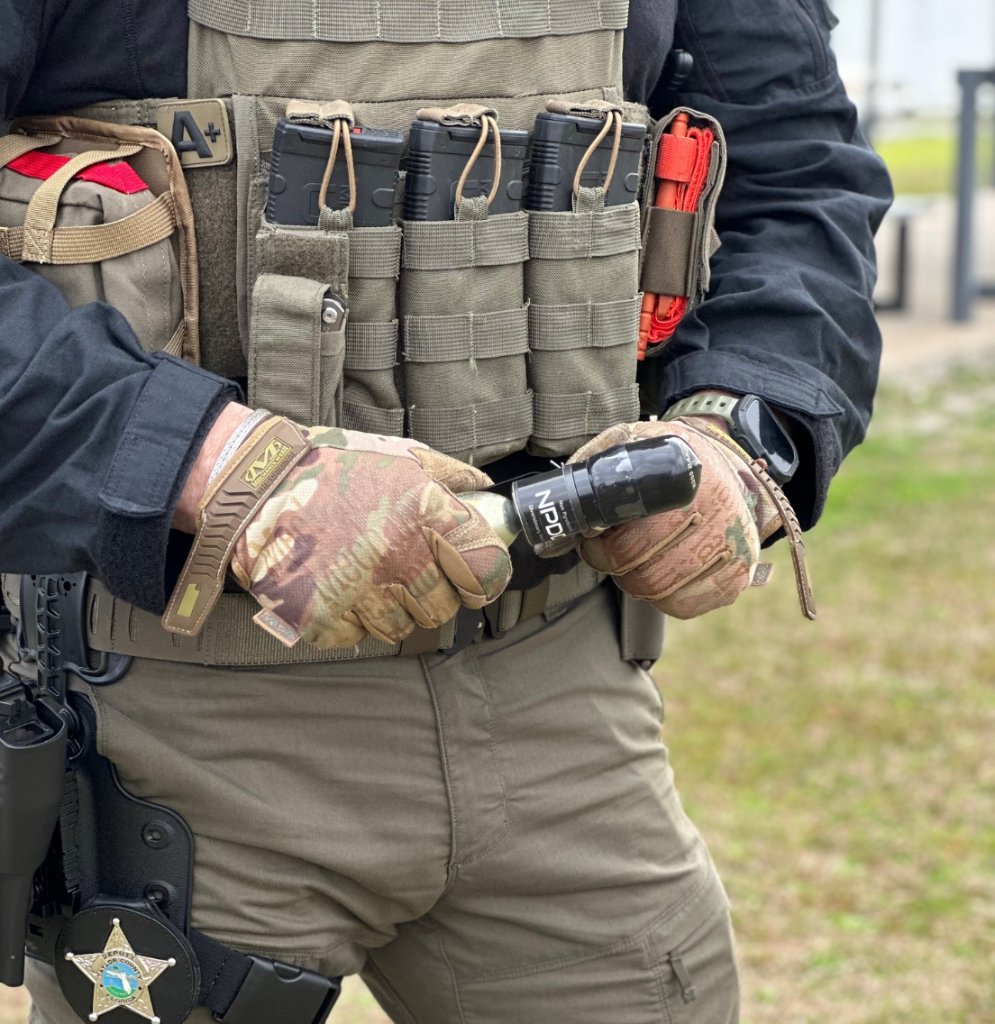
The landscape of crowd management is undergoing a significant statutory transformation as state legislatures move to restrict the use of chemical irritants. The latest wave of legislation, enacted in several major jurisdictions over the past thirty days, centers on the concept of mandatory egress. This legal framework requires law enforcement agencies to not only announce dispersal orders but to physically ensure and document that clear, unobstructed exit paths are available to a crowd before any area-saturation tools, such as OC or PAVA-based systems, are deployed.
Key Details
Recent legislative sessions have produced a series of "Safe Passage" mandates that redefine the legality of chemical dispersal. Under these new laws, the failure to provide a viable exit route—often defined by specific width and safety parameters—invalidates the lawfulness of the dispersal order itself. Furthermore, these statutes require agencies to maintain real-time video documentation (via body-worn or aerial systems) showing that the crowd had a clear path to comply with the order for a minimum of ten minutes prior to the deployment of any less-lethal munitions. Agencies found in violation of these protocols face immediate judicial stays on further less-lethal use and increased exposure to civil litigation.
Broader Context
Historically, the use of chemical agents was viewed as a primary tool for breaking up large, non-compliant gatherings. However, high-profile incidents over the last decade led to claims of "kettling" or trapping protesters, which has prompted this legislative response. This trend is part of a broader national movement toward "Individualized Threat Assessment" in crowd control. By mandating egress, lawmakers are forcing law enforcement to move away from indiscriminate area-saturation and toward the identification and isolation of specific violent actors within a crowd, a move that aligns with the evolving 2026 standards for civil rights protections in public spaces.
Implications for Law Enforcement
For command staff, these mandates require an immediate overhaul of incident action plans for civil support. Tactical commanders must now designate "Egress Monitoring Officers" whose sole responsibility is to verify and record the availability of exit routes. There is also a secondary impact on equipment procurement; if area-saturation is legally restricted by the lack of clear exit paths, agencies must invest more heavily in precision-delivery systems—such as 40mm launchers with impact-based PAVA rounds—that can target specific individuals without affecting the larger, complying crowd. Training must also shift to emphasize the strategic pause between the dispersal order and deployment.
Conclusion
The era of broad-spectrum chemical dispersal is being curtailed by statutory necessity. Command staff should view these egress mandates not as a tactical hindrance, but as a catalyst for professionalizing crowd management. Agencies that proactively integrate egress verification into their use-of-force policies will be better positioned to defend their actions in court and maintain public trust. Strategic investment in precision less-lethal technology is no longer optional; it is a requirement for operational success under the new legislative reality.