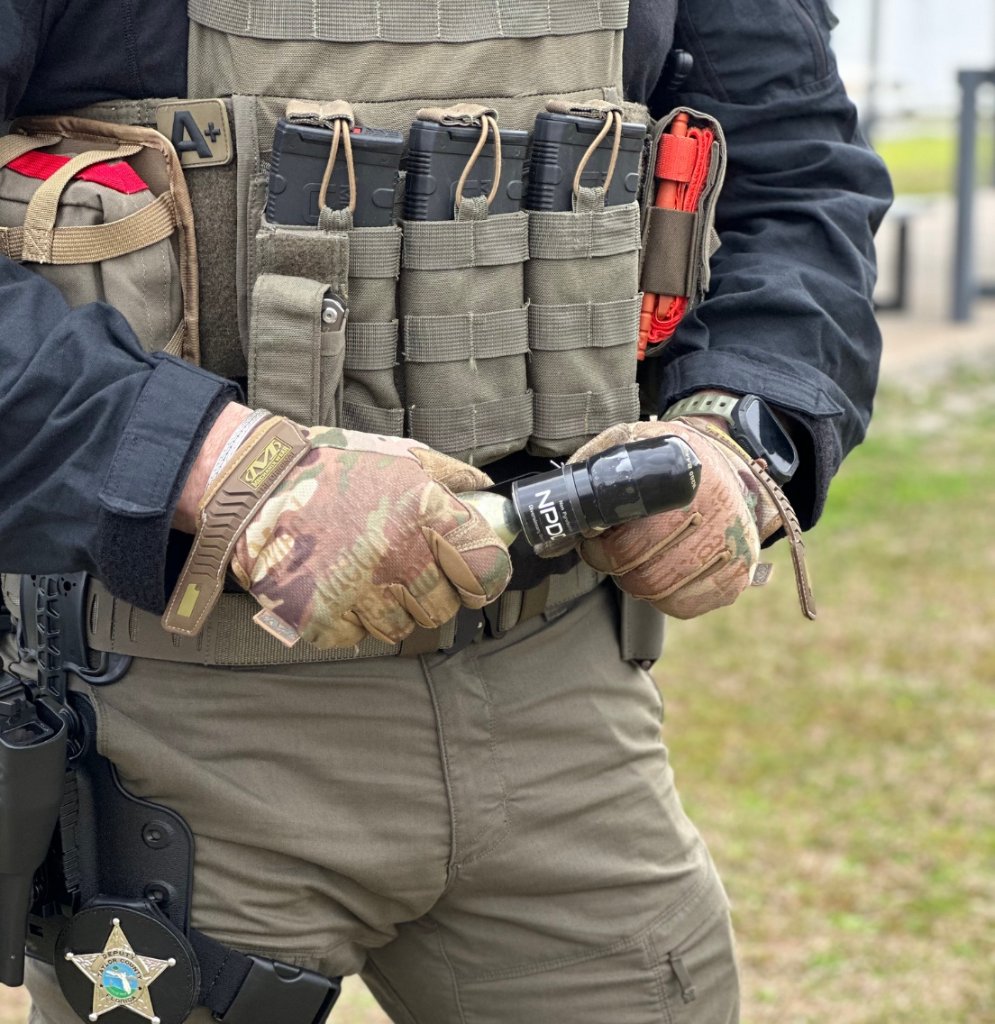
As of June 2026, the landscape of crowd management is undergoing a significant legislative transformation. State legislatures are increasingly moving away from broad bans on less-lethal tools, opting instead for rigorous, data-driven accountability frameworks. These new mandates require agencies to document the specific environmental conditions, the presence of non-combative bystanders, and the exact interval between verbal warnings and the deployment of chemical agents. This shift reflects a judicial and legislative push for proportionality and precision in the use of force during civil unrest.
Key Details
Recent legislative sessions have seen the passage of bills in several major jurisdictions that categorize less-lethal munitions, particularly PAVA and OC rounds, under the same reporting scrutiny as lethal force. Key provisions include the requirement for body-worn camera footage to be tagged specifically to the launch of any kinetic impact projectile and the filing of a specialized After-Action Report (AAR) within 72 hours of a mass dispersal event. These reports must now include a justification for why less-lethal tools were preferred over de-escalation or physical barriers, specifically citing the threat level presented by the crowd. Furthermore, several states are now requiring that agencies provide a public-facing summary of munitions used, including the total count of rounds fired and the specific chemical composition of the irritants.
Broader Context
The national law enforcement landscape has seen a decade of fluctuating policy regarding crowd control. Following the 2020-2021 protests, many cities implemented restrictive bans that left officers with few options between verbal commands and physical engagement. However, the 2025-2026 cycle shows a trend of 'regulated restoration.' Legislators are recognizing that less-lethal tools are essential for maintaining safety perimeters, provided their use is transparent and restricted to specific tactical thresholds. This trend is supported by recent DOJ guidance that emphasizes 'temporal windows'—the idea that the window of time for using less-lethal force must be strictly tied to an active and immediate threat of property damage or physical harm.
Implications for Law Enforcement
For command staff, these mandates imply a significant increase in administrative overhead and a need for improved field data collection. Supervisors must now be trained to supervise not just the deployment, but the documentation process. There is also a technical implication: agencies may need to invest in digital inventory systems that track the 'cradle-to-grave' life of a less-lethal round, from procurement to deployment in the field. Failure to provide granular data during discovery in civil lawsuits is becoming a primary source of liability for municipal governments, as courts are increasingly viewing missing documentation as a sign of negligence or lack of training.
Conclusion
The era of undocumented less-lethal dispersal is over. Strategic leadership must prioritize the integration of reporting technologies and ensure that field commanders are as proficient in documentation as they are in tactics. By embracing these accountability standards, agencies can protect their officers from unfair scrutiny while maintaining the ability to use essential tools to keep the peace. The future of crowd control lies in the balance between effective dispersal and the indisputable evidence of its necessity.