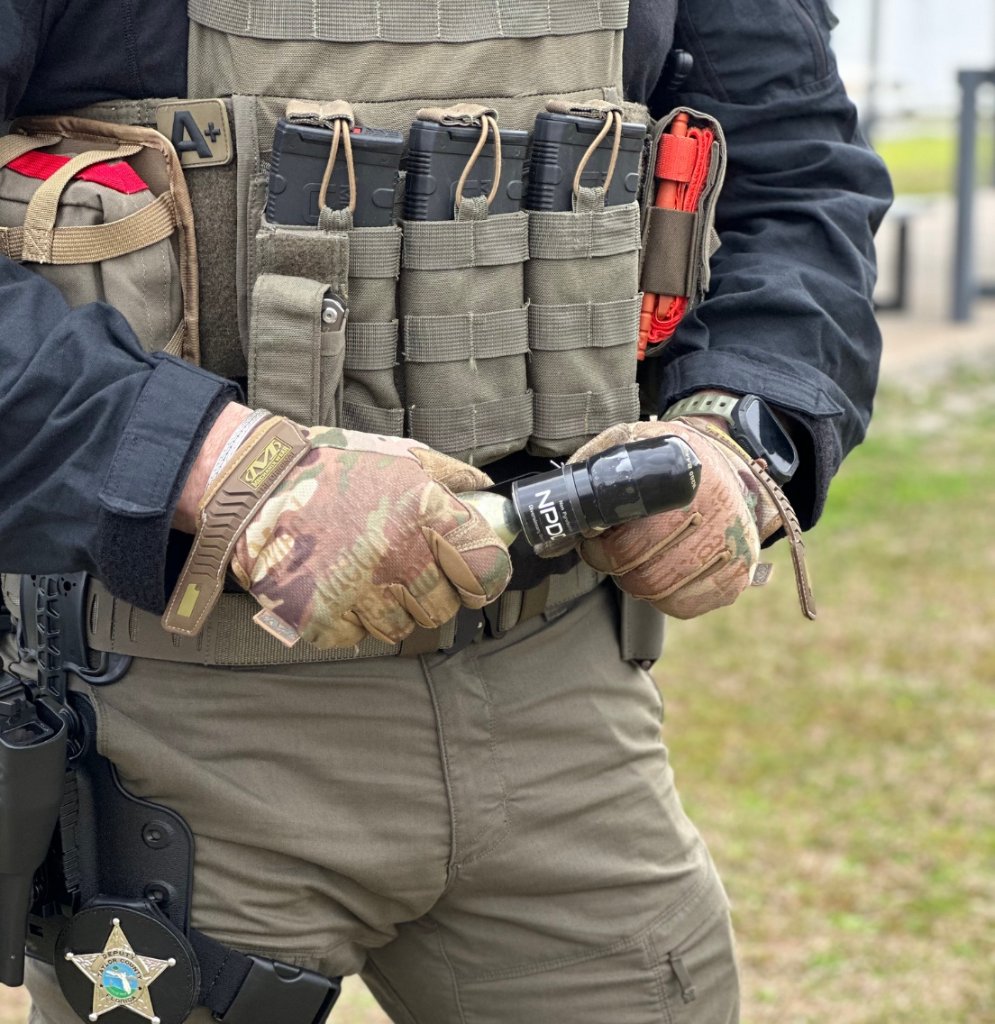
The legal landscape surrounding the use of less-lethal munitions is undergoing a profound shift. While 2024 and 2025 were characterized by attempts to outright ban certain tools, the 2026 legislative sessions demonstrate a move toward extreme transparency and administrative oversight. Lawmakers in several key states have introduced bills that require agencies to provide granular, round-by-round accounting for every kinetic impact projectile or chemical agent canister deployed in a crowd control setting.
Key Details
Recent legislation passed in several jurisdictions now mandates that law enforcement agencies submit a Deployment Justification Report within 48 hours of any incident where less-lethal force was used against a crowd. These reports must include the specific serial number of the munition, the distance from which it was fired, the perceived threat justifying that specific round, and the documented result of the deployment. Furthermore, the 2026 standards require that these reports be made public through a state-centralized database, increasing the visibility of tactical decisions to the general public.
Broader Context
Historically, crowd control munitions were tracked at a bulk level—box in, box out. However, high-profile litigation from the past several years has created a judicial appetite for specific accountability. This trend is no longer limited to traditionally progressive jurisdictions; the emphasis on data-driven policing has made these audit requirements a standard feature of modern public safety reform. The federal government has signaled through recent Department of Justice guidance that such tracking may soon become a prerequisite for receiving certain equipment grants and federal funding for tactical gear.
Implications for Law Enforcement
For command staff, the primary challenge is the administrative overhead. Most current inventory management systems are not designed to track individual foam rounds or PAVA projectiles by serial number through a chaotic field deployment. Agencies must now consider assigning dedicated safety and accountability officers to field units whose sole job is to document deployments in real-time. Failure to meet these reporting windows could lead to the suspension of less-lethal programs, loss of state funding, or increased civil liability in the event of an injury claim.
Conclusion
The era of generalized dispersal is ending. Command staff must pivot toward a surgical approach to less-lethal deployment, supported by robust tracking infrastructure. Proactive adoption of these auditing standards is the most effective way to preserve the availability of these critical tools in an increasingly scrutinized legal environment. Preparing for these reporting mandates now will ensure operational continuity in the future.