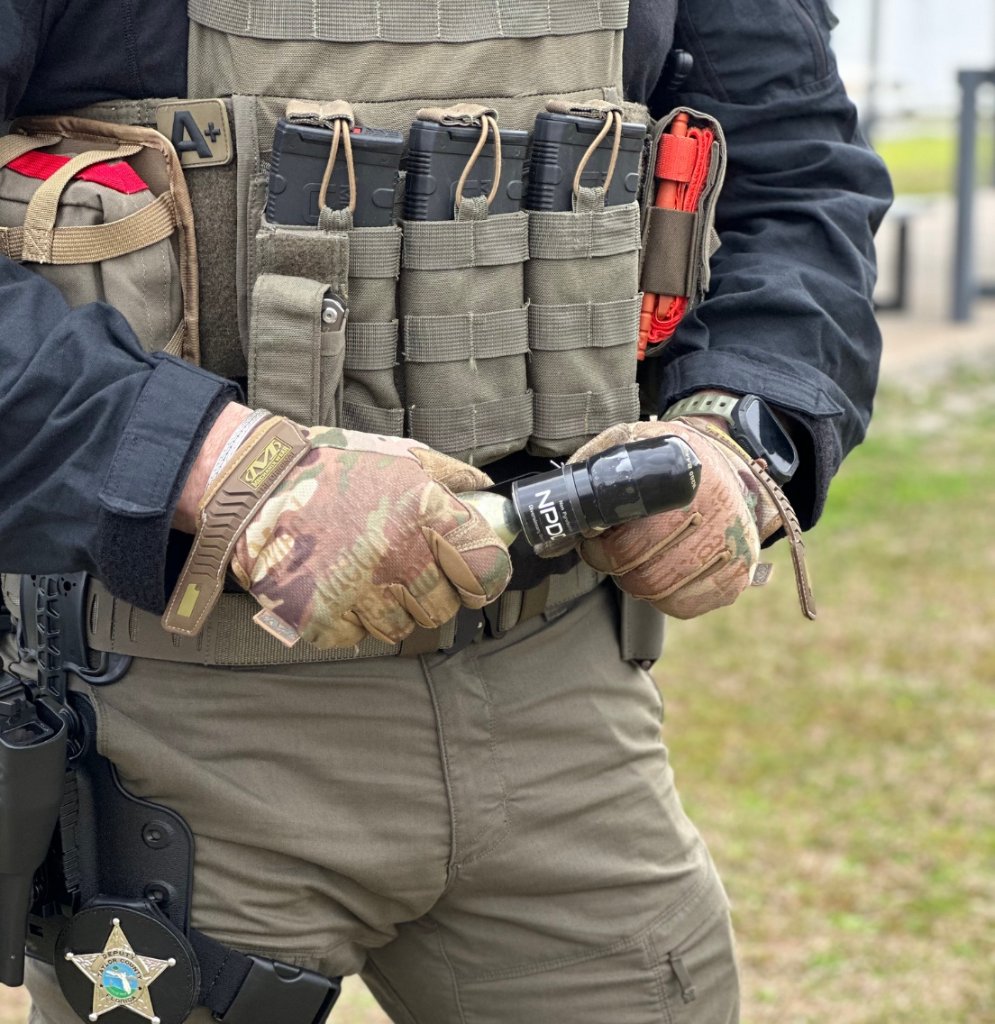
Recent litigation within the federal court system has introduced a rigorous new standard for the use of chemical irritants in public safety operations. In a decision handed down in late May 2026, the appellate court clarified that the Fourth Amendment's protection against unreasonable seizure extends to bystanders who suffer significant physiological distress from the secondary drift of less-lethal aerosols. This ruling moves beyond the traditional 'intent' standard and toward a requirement for environmental due diligence by commanding officers.
Key Details
The court's decision centers on a 'foreseeability' framework. Under this new standard, law enforcement agencies must demonstrate that they accounted for atmospheric conditions, such as wind speed and direction, as well as the presence of known 'safe zones' for non-participants, prior to the deployment of chemical agents. The ruling explicitly mentions that the use of high-volume delivery systems in dense urban corridors carries a higher burden of proof for the deploying agency. Furthermore, the court mandated that agencies maintain real-time meteorological logs during mass demonstrations if chemical dispersal is anticipated. This shift requires a tactical pause to assess environmental factors that could lead to widespread secondary exposure, transforming what was once a tactical choice into a complex legal and environmental assessment.
Broader Context
For decades, the legal defense for secondary exposure was grounded in the concept of 'incidental contact' during a lawful dispersal order. However, as public scrutiny of crowd management tactics has intensified over the last several years, the judiciary has become increasingly skeptical of broad-spectrum dispersal methods. This 2026 ruling aligns with a national trend toward 'precision engagement' in less-lethal force application. It reflects a growing body of state legislation that restricts the use of chemical agents to instances where a specific, individualized threat is identified, rather than as a general tool for crowd movement. The federal recognition of this standard effectively nationalizes these restrictions, creating a uniform expectation of care for agencies across the country.
Implications for Law Enforcement
For command staff and tactical leads, this ruling necessitates an immediate update to use-of-force policies and operational planning. Dispersal orders must now be synchronized with documented environmental assessments. Agencies should consider integrating portable weather monitoring stations into their tactical operations centers to provide a data-backed defense against future litigation. Additionally, the training curriculum for chemical agent specialists must be expanded to include basic meteorology and plume modeling. This development may also drive a shift in equipment preference, moving away from high-volume foggers toward more localized delivery systems, such as precision-fired PAVA projectiles, which offer greater control and a reduced footprint of unintended exposure.
Conclusion
The move toward environmental accountability in force deployment represents a turning point for modern crowd management. While chemical irritants remain a vital tool for preventing escalation, the margin for error has narrowed significantly. Command staff must ensure that their field supervisors are not only trained in the mechanics of deployment but also in the legal and environmental consequences of aerosol drift. Strategic planning that prioritizes precision over volume will be the hallmark of legally defensible operations in 2026 and beyond.