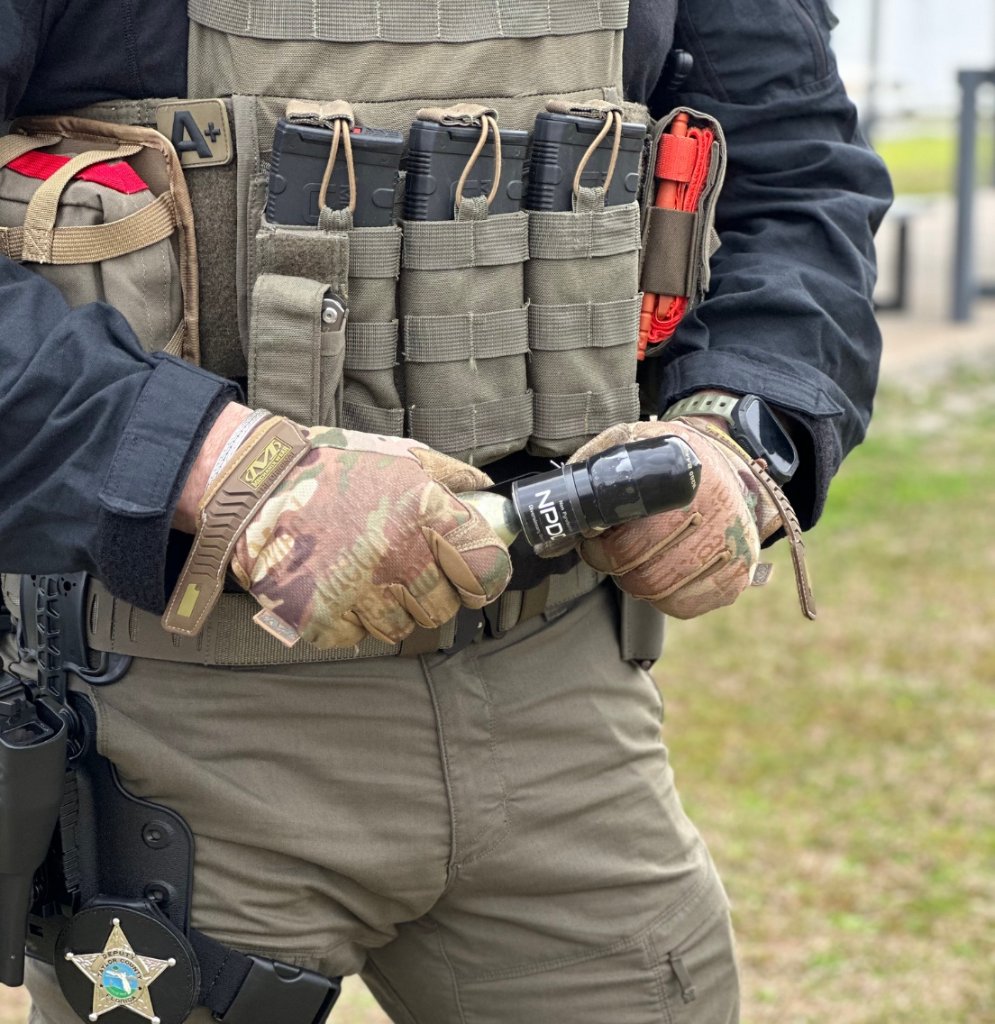
The landscape of civil disturbance response is undergoing a fundamental shift as state legislatures move beyond general use-of-force restrictions to implement specific geographic prohibitions on less-lethal equipment. This legislative trend, most recently evidenced by the advancement of Senate Bill 937 in California, marks a significant departure from established crowd management protocols by creating protected zones where traditional dispersal tools are effectively banned.
Key Details
Advanced by the Senate Public Safety Committee on April 18, 2026, SB 937 introduces the concept of vulnerability zones in the context of public demonstrations. The bill specifically targets the use of tear gas, flashbangs, and kinetic impact rounds in proximity to schools, childcare centers, and public parks. Critics within the law enforcement community have expressed concern that the bill's language is overly broad, potentially rendering entire city blocks off-limits for standard less-lethal intervention if a park or school is situated within the vicinity of a protest route. The legislation also includes a total prohibition on the use of these devices for immigration enforcement actions, further narrowing the operational latitude of federal and state partnerships.
Broader Context
This legislative push follows a multi-year trend of increasing scrutiny over the environmental and health impacts of crowd control munitions. Similar measures have been discussed in Washington and Oregon, where lawmakers have debated the downstream effects of chemical irritants on non-participants. By codifying specific locations as protected from less-lethal deployment, legislators are forcing a tactical shift from area denial to individual targeting. This mirrors federal oversight initiatives that have increasingly called for independent toxicity testing and stricter accountability for the lifecycle of chemical munitions. The emergence of these zone-based restrictions suggests a future where tactical commanders must incorporate city zoning data directly into their operational planning for mass gatherings.
Implications for Law Enforcement
For law enforcement command staff, the implications are both operational and legal. The establishment of vulnerability zones means that traditional line-and-dispersal tactics may no longer be legally viable in dense urban centers where parks and schools are ubiquitous. Agencies will need to invest in advanced mapping tools to ensure that field commanders are aware of these boundaries in real-time. Furthermore, there is an urgent need for training focused on precision engagement. If area-denial tools are restricted, officers must be proficient with high-accuracy, less-lethal launchers that allow for the isolation of violent actors without triggering the geographic prohibitions associated with gas or broad-impact distraction devices.
Conclusion
The advancement of SB 937 serves as a bellwether for national policy shifts. Command staff should anticipate that geographic restrictions will soon become a standard component of state-level police reform. Strategic planning must now prioritize the procurement of precision-oriented less-lethal systems and the development of tactics that remain effective when traditional dispersal methods are legislatively curtailed. Proactive engagement with local government regarding the definition of these zones will be critical to maintaining public safety in future demonstration scenarios.