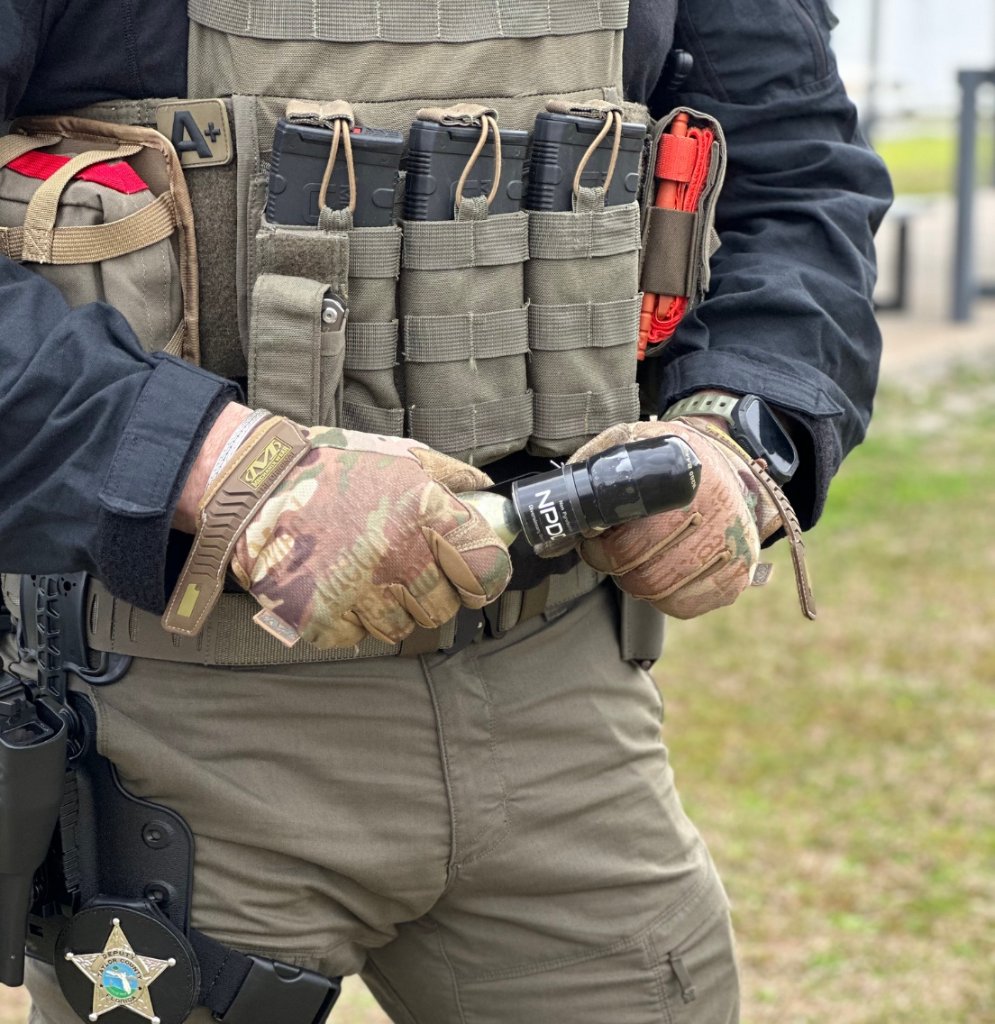
The landscape of civil disturbance response is undergoing a fundamental shift as state legislatures across the country enact more restrictive policies regarding the use of chemical irritants. In the first quarter of 2026, several states have moved to codify specific deployment protocols that were previously left to departmental discretion. These legislative actions are not merely advisory; they carry significant legal weight and impact the qualified immunity protections of officers on the front lines. Command staff are now faced with the challenge of balancing effective crowd dispersal with burgeoning statutory requirements.
Key Details
Recent bills passed in mid-2026 emphasize the necessity of clear, audible warnings prior to the use of any chemical agent, including PAVA or OC rounds. Legislators are increasingly demanding that these warnings be documented via body-worn cameras or independent audio recordings. Furthermore, new mandates in three major states require agencies to provide an immediate after-action report to a civilian oversight board whenever chemical munitions are deployed against more than five individuals simultaneously. These reports must include the specific justification for the force, the wind conditions at the time of deployment, and an assessment of why alternative de-escalation tactics were unsuccessful.
Broader Context
This trend follows a multi-year period of intense public and judicial scrutiny regarding the environmental impact and secondary exposure risks of aerosolized irritants. Since 2024, there has been a noticeable pivot toward kinetic impact munitions and non-chemical alternatives as primary dispersal tools. The current legislative wave is the formalization of these concerns, moving them from the realm of best practices into the world of mandatory compliance. Nationally, the movement reflects a broader push for data-driven policing and increased accountability in high-visibility public order scenarios.
Implications for Law Enforcement
For operational commanders, these laws necessitate a total overhaul of Incident Action Plans (IAPs). Tactical deployment must now be preceded by a validated check of atmospheric conditions to ensure that irritants do not drift into non-involved populations or sensitive areas like hospitals and schools. Training programs must be updated to include the legal requirements of 'proper warning' and the technical ability to document these warnings in chaotic environments. There is also a significant administrative burden; the time required for post-incident reporting is expected to triple for large-scale deployments, potentially straining agency resources during prolonged periods of unrest.
Conclusion
The era of broad departmental autonomy in the use of chemical agents is rapidly closing. Command staff must embrace a more technical and legally rigorous approach to crowd management. Success in 2026 will be defined not just by the successful dispersal of a riotous crowd, but by the ability to demonstrate, through meticulous documentation and procedural adherence, that every less-lethal round fired was in strict accordance with both policy and state law.