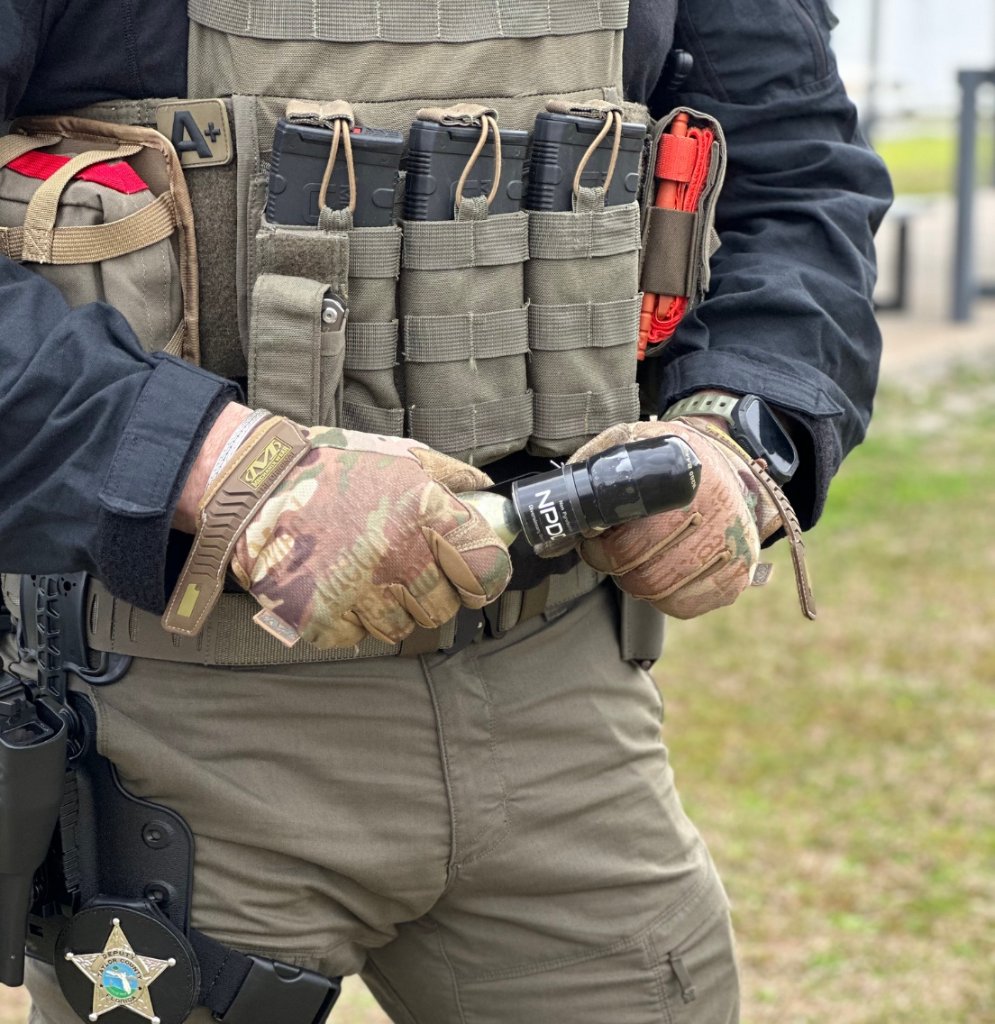
The judicial landscape regarding the use of less-lethal force in crowd control environments is shifting toward a more restrictive interpretation of the Fourth Amendment. A series of recent rulings in several federal circuits has highlighted a critical vulnerability in current dispersal protocols: the failure to provide a meaningful opportunity for exit. As we move through the 2026 protest season, these rulings are becoming the new baseline for civil liability, forcing agencies to re-examine how they deploy chemical agents and kinetic impact munitions during mass gatherings.
Key Details
Courts are increasingly applying a proportionality test to the duration and method of dispersal actions. In several recent cases, judges have ruled that deploying PAVA or OC rounds into a crowd that has no clear path for retreat constitutes excessive force. These rulings emphasize that the objective of a dispersal order is the voluntary movement of individuals, not the punishment of those who remain. Furthermore, the standard for a "reasonable warning" has been elevated; it is no longer sufficient to merely issue an audible command. Agencies must now demonstrate that the warning was heard, understood, and that a designated, unobstructed egress route was provided and communicated to the participants.
Broader Context
This trend is a continuation of the post-2020 legal reform movement, which sought to address perceived abuses in the use of "kettling" or containment tactics. The 2026 legal environment is characterized by a high degree of skepticism toward the use of persistent chemical irritants in confined urban spaces. Legislatures in over a dozen states have followed the lead of the courts by passing statutes that strictly limit the use of less-lethal munitions except in cases where there is an immediate threat of physical harm or significant property destruction. This dual pressure from both the judicial and legislative branches is narrowing the operational window for command staff.
Implications for Law Enforcement
Operationally, these legal shifts require a fundamental change in how Civil Disturbance Units (CDUs) are deployed. Tactical plans must now explicitly include an egress strategy that is coordinated with ground units to ensure paths remain open. Communication is equally vital; the use of high-output acoustic hailing devices is becoming a legal necessity to ensure that dispersal orders meet the new judicial standard for clarity. Policy manuals must be updated to prohibit the use of less-lethal munitions against non-violent individuals who are merely slow to move, and supervisors must be present at the point of deployment to provide real-time oversight and documentation of the conditions on the ground.
Conclusion
Managing civil unrest in 2026 requires a sophisticated understanding of the legal frameworks that govern the use of force. By prioritizing the provision of egress and ensuring clear communication, agencies can achieve their public safety goals while minimizing the risk of costly litigation and civil rights violations. Command staff should view these judicial mandates not as hindrances, but as a roadmap for developing more disciplined and professional response strategies that uphold the constitutional rights of the public while maintaining order.