A recent series of federal court decisions has introduced a heightened level of scrutiny regarding the tactical window between law enforcement dispersal orders and the subsequent use of less-lethal force. While the authority to disperse unlawful assemblies remains a core tenet of public safety, the judiciary is increasingly focusing on the logistics of compliance. Specifically, courts are examining whether the time allotted for a crowd to retreat was physically and psychologically sufficient before the introduction of area-saturation munitions or kinetic impact projectiles.
Key Details
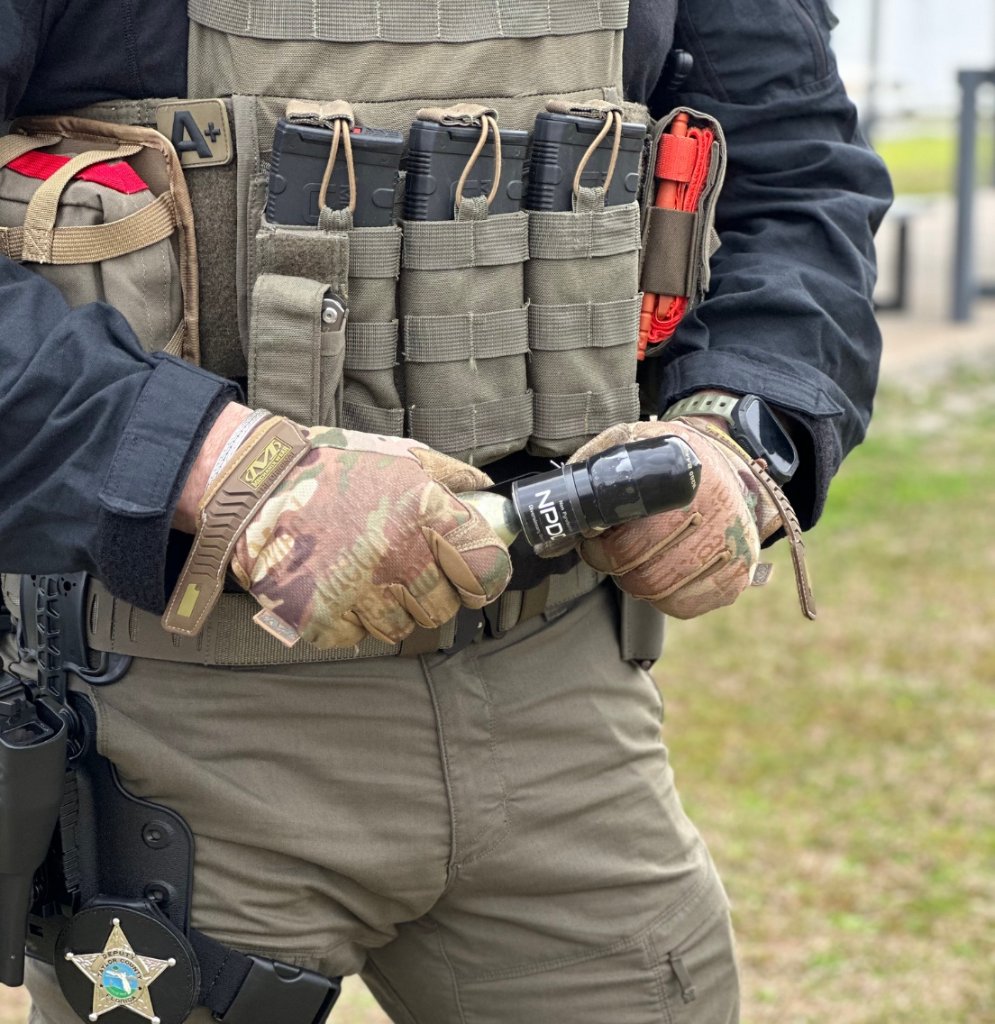
Recent litigation stemming from large-scale demonstration responses highlights a recurring judicial concern: the 'warning-to-impact' ratio. In several high-profile cases, plaintiffs argued that the deployment of 40mm chemical irritants occurred while the crowd was still attempting to follow verbal commands, but was hindered by physical bottlenecks or conflicting directional orders. Investigative findings suggest that when agencies deploy less-lethal tools less than five minutes after a final warning, the likelihood of a court finding the force 'premature' or 'unreasonable' increases significantly. Furthermore, the presence of clear, unobstructed egress routes has become a primary factor in determining the lawfulness of the subsequent force application.
Broader Context
Historically, the standard for dispersal was rooted in the 'clear and present danger' doctrine, which allowed for rapid escalation if an officer perceived an immediate threat to life or property. However, the legal environment has shifted toward a procedural justice model. This evolution demands that agencies not only provide a warning but also ensure the warning is audible, understood, and actionable. Across the country, state legislatures are drafting bills that mirror these judicial sentiments, with some jurisdictions proposing mandatory minimum wait times—ranging from two to ten minutes—between the final dispersal announcement and the use of chemical agents, except in instances of active violence against personnel.
Implications for Law Enforcement
For command staff, these rulings necessitate a shift in operational planning. Incident commanders must now prioritize the documentation of egress conditions as much as the threat assessment itself. Tactical teams should incorporate 'egress observers' whose sole responsibility is to verify that the crowd has a viable path of retreat before less-lethal systems are authorized. Additionally, the use of Long Range Acoustic Devices (LRAD) or high-decibel amplification is no longer just a tactical advantage; it is becoming a legal requirement to prove that the dispersal order reached the intended audience. Policy manuals must be updated to define 'reasonable time' based on crowd density and environmental factors rather than a static time limit.
Conclusion
The era of rapid-succession dispersal tactics is facing a significant legal challenge. As courts demand more evidence of a meaningful opportunity for compliance, law enforcement agencies must adapt their crowd management protocols. Success in future litigation will depend on an agency’s ability to prove that less-lethal force was a last resort, deployed only after all logistical avenues for peaceful compliance were exhausted. Strategic patience is becoming a mandatory component of modern civil disturbance response.