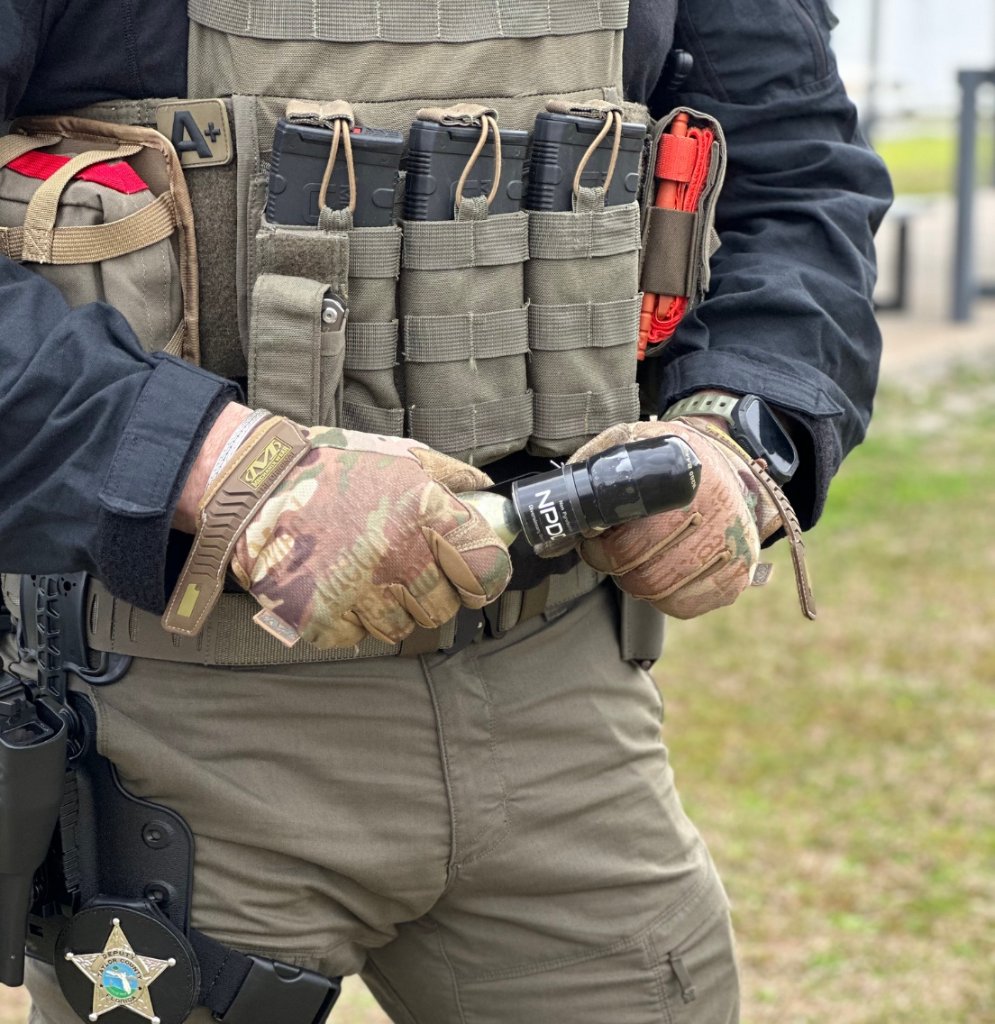
A new wave of state-level legislation is fundamentally altering the landscape of crowd management and the deployment of less-lethal tools. As of July 2026, several jurisdictions have implemented strict protocols that limit the use of kinetic impact munitions, such as foam and baton rounds, to instances where a specific, identifiable individual poses an immediate threat of physical harm. This legislative trend moves away from the historical use of such tools for general area denial or broad crowd dispersal, placing a higher burden of proof on the deploying officer and the agency.
Key Details
The primary focus of these legislative updates is the elimination of indiscriminate deployment. New statutes now commonly require that less-lethal projectiles be used only after de-escalation attempts have been exhausted and when the target is actively engaging in violent behavior toward officers or the public. Furthermore, several states have codified requirements for clear, audible warnings to be issued multiple times, from different vantage points, before any chemical or kinetic agents can be introduced. Documentation requirements have also increased, with mandates for high-definition video capture of every less-lethal deployment to verify that the individualized threat standard was met.
Broader Context
This shift follows several years of high-profile litigation and federal oversight regarding crowd control tactics. The judiciary has increasingly signaled that the use of less-lethal force against non-violent or passively resistant individuals within a larger crowd may violate Fourth Amendment protections. By codifying these standards into state law, legislatures are effectively bringing field operations in line with recent appellate court rulings. Nationally, this is creating a bifurcated landscape where agencies in restrictive states must rely more heavily on physical barriers and verbal negotiation, while others maintain broader dispersal authorities.
Implications for Law Enforcement
For law enforcement leadership, these changes necessitate an immediate overhaul of use-of-force policies and field training manuals. The operational impact is significant: supervisors must now manage crowd events with the understanding that traditional tools for mass dispersal may be legally unavailable unless a riotous environment meets specific, high-bar criteria. This requires a greater investment in precision less-lethal systems and enhanced training for front-line officers on how to isolate violent actors within a crowd without affecting non-violent participants. Agencies must also ensure their body-worn camera and aerial surveillance policies are robust enough to provide the required evidentiary support for every round fired.
Conclusion
The transition toward an individualized threat standard in crowd management is no longer a localized trend but a growing national mandate. Command staff must proactively adapt their tactical doctrines to prioritize precision and accountability. Future operational success will depend on the ability to integrate high-level de-escalation with surgical less-lethal interventions, ensuring that public safety is maintained without overstepping the increasingly narrow legal boundaries of force application.