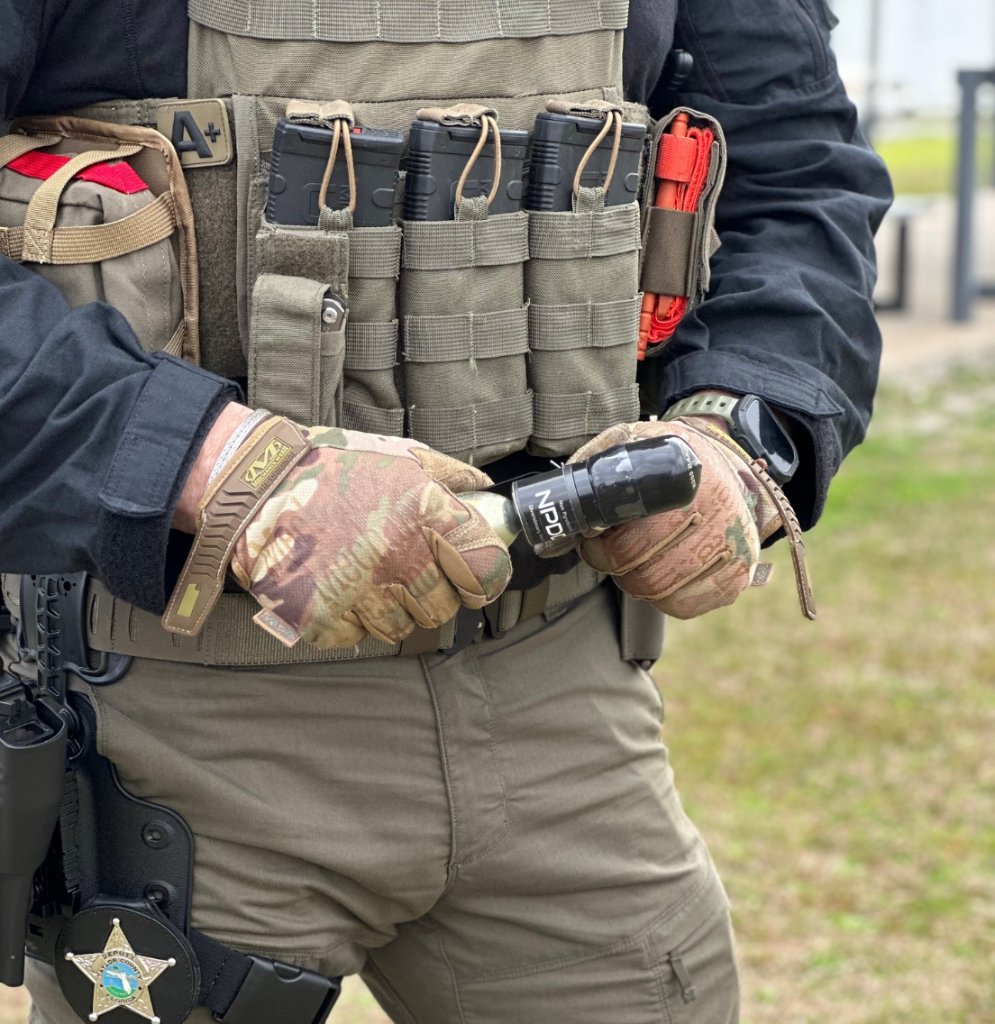
The intersection of environmental law and tactical law enforcement operations has reached a critical juncture. In the wake of the 2025-2026 legislative sessions, several states have enacted sweeping environmental safety acts that specifically target the chemical precursors and propellants used in less-lethal crowd control munitions. This shift represents a move away from purely tactical evaluations of equipment toward a framework of ecological and public health accountability that could fundamentally alter the availability of standard chemical dispersants.
Key Details
The primary focus of the recent legislation, notably in jurisdictions following the updated Environmental Protection Standards for Public Safety, is the presence of persistent synthetic carriers and certain fluorinated propellants in aerosolized OC and PAVA systems. New mandates require agencies to submit detailed chemical composition reports for any munition intended for outdoor dispersal. Furthermore, the 2026 Public Safety Appropriations Bill at the federal level has introduced a rider that ties specific DHS grant funding to the procurement of "certified low-persistence" munitions. This means that older stockpiles of chemical canisters, which utilize traditional solvent bases, may soon be ineligible for replacement through federal funds. Agencies are being given an 18-month window to phase out munitions that fail to meet these new degradability standards.
Broader Context
This trend is an extension of the "Green Policing" movement that has gained momentum over the last five years. Historically, the tactical effectiveness of a chemical agent was the sole metric for procurement. However, following several high-profile incidents where chemical residue impacted local water systems or was found in high concentrations in urban soil years after deployment, environmental advocacy groups have successfully lobbied for stricter oversight. This mirrors the transition seen in fire services regarding aqueous film-forming foams (AFFF). The law enforcement community is now facing a similar transition, where the tools used for public order must also meet the requirements of the Clean Water Act and similar state-level statutes.
Implications for Law Enforcement
For command staff, the immediate priority is a comprehensive inventory audit. Agencies must determine if their current munitions contain prohibited substances such as specific chlorinated solvents or non-biodegradable surfactants. There is also a logistical concern regarding the shelf-life and stability of newer, eco-friendly alternatives. Early testing suggests that some bio-degradable carriers may have different thermal stability profiles, potentially affecting performance in extreme weather conditions. Furthermore, the cost of compliant munitions is projected to rise by 15-20% due to the more complex manufacturing processes required for environmentally neutral propellants. Training protocols must also be updated, as the dispersal patterns and hang-times of these new formulations may differ from the legacy products officers have trained with for decades.
Conclusion
Environmental compliance is no longer a peripheral concern for tactical units. As state and federal mandates tighten, the procurement of less-lethal chemical agents will require a multidisciplinary approach involving legal counsel, environmental safety officers, and tactical leads. Command staff should proactively engage with manufacturers to secure "compliance certifications" for all new orders and begin the process of decommissioning non-compliant inventory to avoid potential liability and ensure continued eligibility for federal equipment grants.