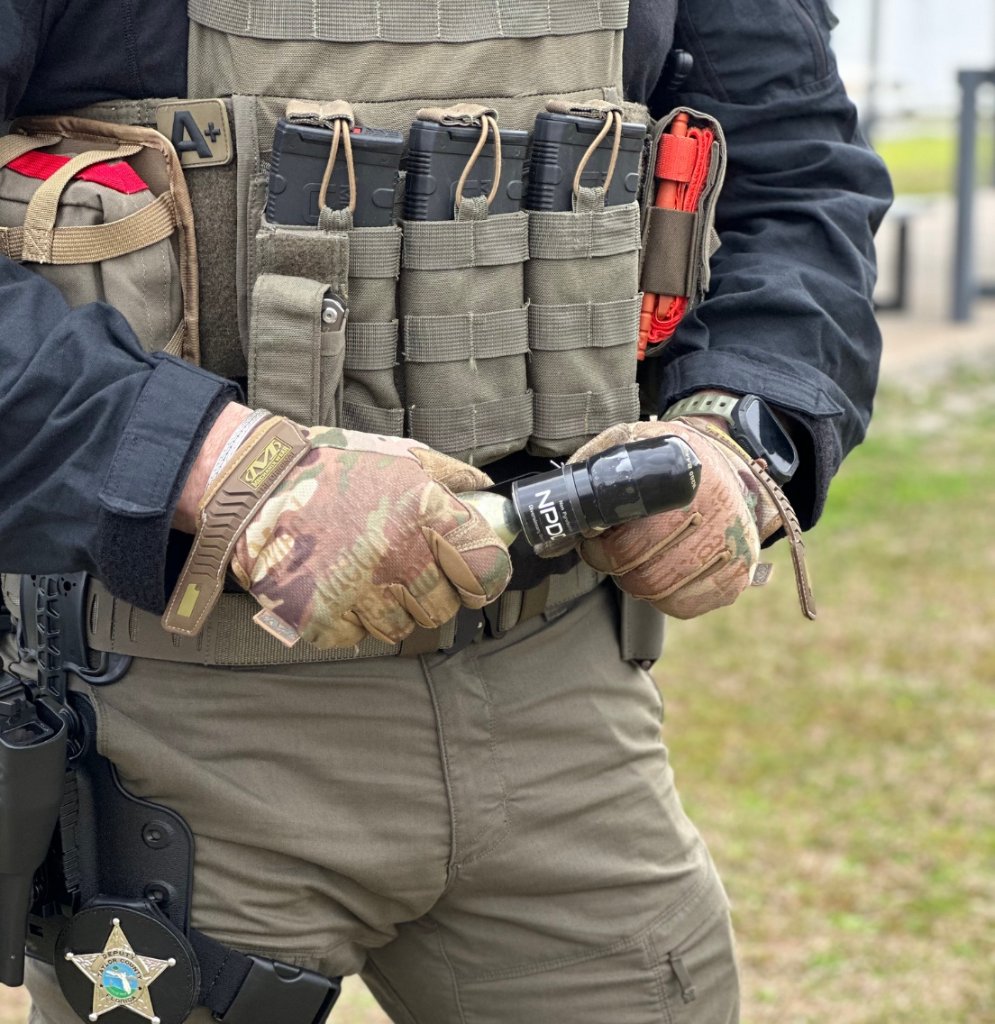
Recent legislative sessions have seen a significant increase in bills targeting the specifics of crowd control munitions. Moving beyond simple use-of-force reporting, several states have recently passed or introduced legislation that requires law enforcement agencies to provide quantifiable data on the concentration and total volume of chemical agents deployed during public order events. This legislative trend seeks to address public health concerns while establishing a stricter framework for the necessity and proportionality of less-lethal force.
Key Details
The new mandates typically require agencies to maintain records of the specific chemical composition of all munitions used, the duration of dispersal, and the estimated area of effect. For instance, recent protocols in several jurisdictions now demand that after any deployment of PAVA or OC agents, a detailed report must be filed within 48 hours specifying why a particular concentration was chosen and how the dispersal was mitigated once the immediate threat subsided. Furthermore, these regulations often include a requirement for agencies to provide public notice after the use of chemical agents, detailing the potential long-term environmental and health impacts on the surrounding community.
Broader Context
This shift in policy is part of a broader national movement toward quantifiable accountability in law enforcement. Historically, reporting on the use of chemical agents was often vague, frequently summarized as agent deployed to disperse a crowd. However, high-profile lawsuits and civil rights reports have pushed for a deeper level of transparency. This evolution mirrors the transition seen in the adoption of body-worn cameras, where the demand for recorded evidence has moved from the officer's testimony to verifiable data points. The focus has now expanded from whether force was used to the exact scientific and tactical parameters of that force.
Implications for Law Enforcement
For law enforcement agencies, these legislative changes necessitate an immediate upgrade to administrative and inventory management protocols. Command staff must ensure that field supervisors are equipped to track munition expenditure in real-time and that the data is integrated into post-incident analysis software. There is also a significant training implication: officers must be educated on the chemical specifications of the tools they carry and be prepared to justify the specific concentration levels used in varied environments, such as confined urban corridors versus open parks. Failure to adhere to these reporting standards could lead to the loss of state funding or increased vulnerability in civil litigation.
Conclusion
Command staff must proactively adapt to this new era of environmental and chemical transparency. By implementing robust digital tracking systems and revising dispersal protocols to prioritize the lowest effective concentration of agents, agencies can satisfy legislative oversight while maintaining the ability to manage crowds safely. Moving forward, the standard for professional deployment will be defined by the ability to provide audit-ready documentation that justifies every milligram of chemical agent used in the field.