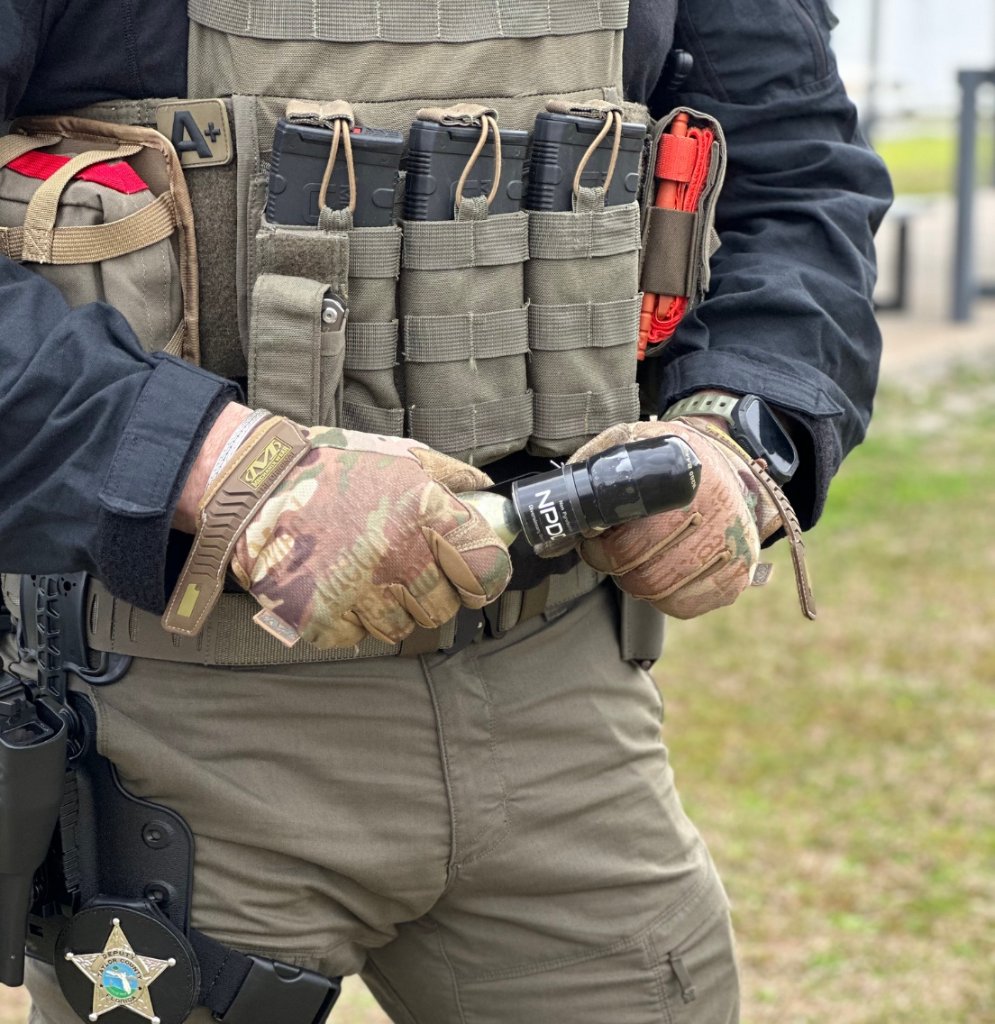
Recent legislative sessions in several major states have seen the introduction of comprehensive bills aimed at regulating the law enforcement use of less-lethal munitions during civil disturbances. These bills represent a pivotal shift in the legal landscape, moving away from broad agency discretion toward a framework of strict necessity and documented precision. The focus of this legislation primarily targets the use of 40mm kinetic impact projectiles and high-capacity chemical delivery systems, requiring that their application be reserved solely for addressing specific, individualized threats of violence rather than general crowd dispersal.
Key Details
The most recent legislative packages include requirements for clear, audible warnings issued over long-range acoustic devices before any less-lethal tool is deployed. Additionally, these laws mandate that officers must have a clear line of sight to the specific individual posing a threat, effectively banning 'skip-firing' or indiscriminate area saturation in non-riot settings. Data collection is also a central pillar; agencies are now being asked to provide detailed post-incident reports that include the specific justification for each round fired, the distance of the engagement, and the observed outcome, integrated with body-worn camera timestamps.
Broader Context
This legislative trend follows several years of high-profile litigation and federal oversight recommendations that have criticized the use of less-lethal tools in dense crowds. Historically, less-lethal munitions were viewed as a safer alternative to physical engagement, but medical and legal scrutiny has intensified regarding the potential for serious injury when these tools are used improperly. The national trend is moving toward a 'precision-based' model of crowd management, where the goal is to isolate and neutralize agitators without impacting the broader group of peaceful demonstrators.
Implications for Law Enforcement
For law enforcement executives, these mandates necessitate a rigorous overhaul of current crowd management playbooks. Standard operating procedures must be updated to include the new warning requirements and the specific conditions under which less-lethal force is authorized. There is also a significant administrative burden associated with the new reporting requirements, which may require upgrades to digital evidence management systems to accurately track munition deployment. Training programs must transition from simple marksmanship to complex decision-making drills that emphasize target identification in chaotic environments.
Conclusion
The era of broad discretion in the deployment of crowd control munitions is closing. Command staff should view these legislative changes as a blueprint for future federal standards. By proactively adopting precision-based deployment protocols and enhancing accountability through detailed documentation, agencies can protect their officers from legal exposure while maintaining the ability to effectively manage public safety during periods of unrest.