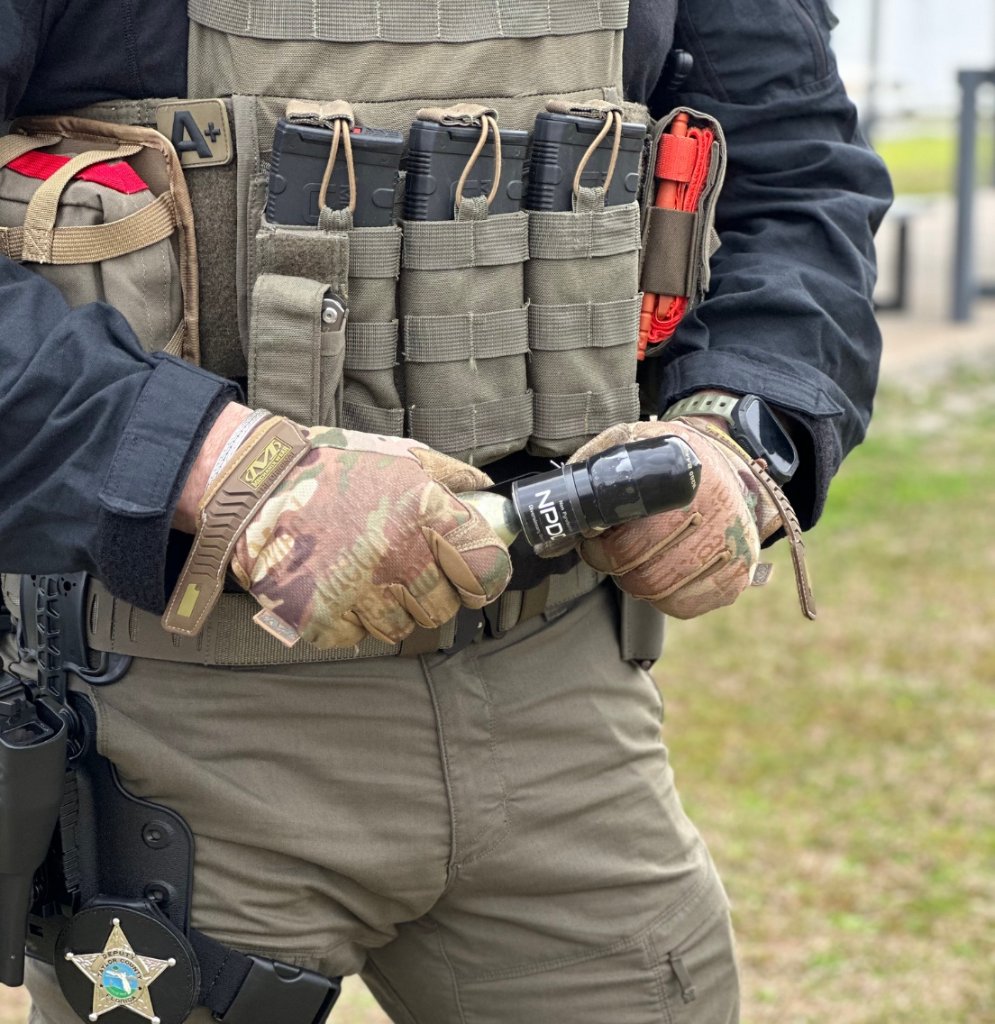
Recent legislative sessions in several states have culminated in the passage of strict new protocols governing the use of chemical agents and dispersal munitions during public assemblies. These laws represent a significant departure from previous discretionary standards, shifting the focus from tactical necessity to a rigid, step-based statutory requirement. Agencies are now facing a legal landscape where the failure to document specific mediation attempts can lead to both civil liability and the inadmissibility of evidence in subsequent criminal proceedings.
Key Details
The most recent omnibus public safety bills, effective as of late July 2026, mandate that law enforcement agencies must exhaust all reasonable de-escalation and mediation efforts before deploying less-lethal chemical agents such as CS gas or OC spray in crowd settings. Key provisions include the requirement for multiple, high-decibel warnings delivered from different vantage points to ensure audibility. Furthermore, the legislation requires a designated 'mediation period'—a specific window of time following the final warning during which no force can be applied, barring an immediate threat of death or serious physical injury. Detailed logging of these steps is now a mandatory component of the post-incident reporting process.
Broader Context
This legislative trend reflects a broader national movement toward codifying use-of-force standards that were previously handled through agency policy or POST guidelines. Following high-profile dispersal operations over the last two years, lawmakers are seeking to reduce the 'grey area' available to incident commanders. By turning policy recommendations into statutory requirements, states are creating a uniform standard of care. This move is also a response to recent federal oversight recommendations that emphasized the need for clear communication and predictable escalation paths in crowd management. The shift effectively elevates the 'warn and wait' principle from a best practice to a legal necessity.
Implications for Law Enforcement
For law enforcement command staff, the implications are primarily operational and administrative. Tactical dispersal plans must now incorporate a dedicated timeline for warnings and mediation, which may slow the response to dynamic or evolving threats. Incident commanders must ensure that public address systems are calibrated and that mobile units are positioned to verify that warnings reached all segments of a crowd. Documentation becomes the primary defense; every warning, the time it was given, and the observed crowd reaction must be meticulously recorded, ideally with body-worn or aerial surveillance footage to corroborate the written log. Training must also evolve to include 'de-escalation under pressure' scenarios for line officers who may be facing provocation during the mandatory mediation windows.
Conclusion
As statutory requirements for less-lethal deployment become more prescriptive, agencies must adapt their operational templates to ensure compliance. The era of rapid dispersal without documented, multi-stage warnings is coming to a close in many jurisdictions. Command staff should view these new laws not merely as a hurdle, but as a framework for building professional, defensible, and transparent crowd management operations. Integrating these requirements into standard operating procedures today will mitigate the risk of legal challenges tomorrow.