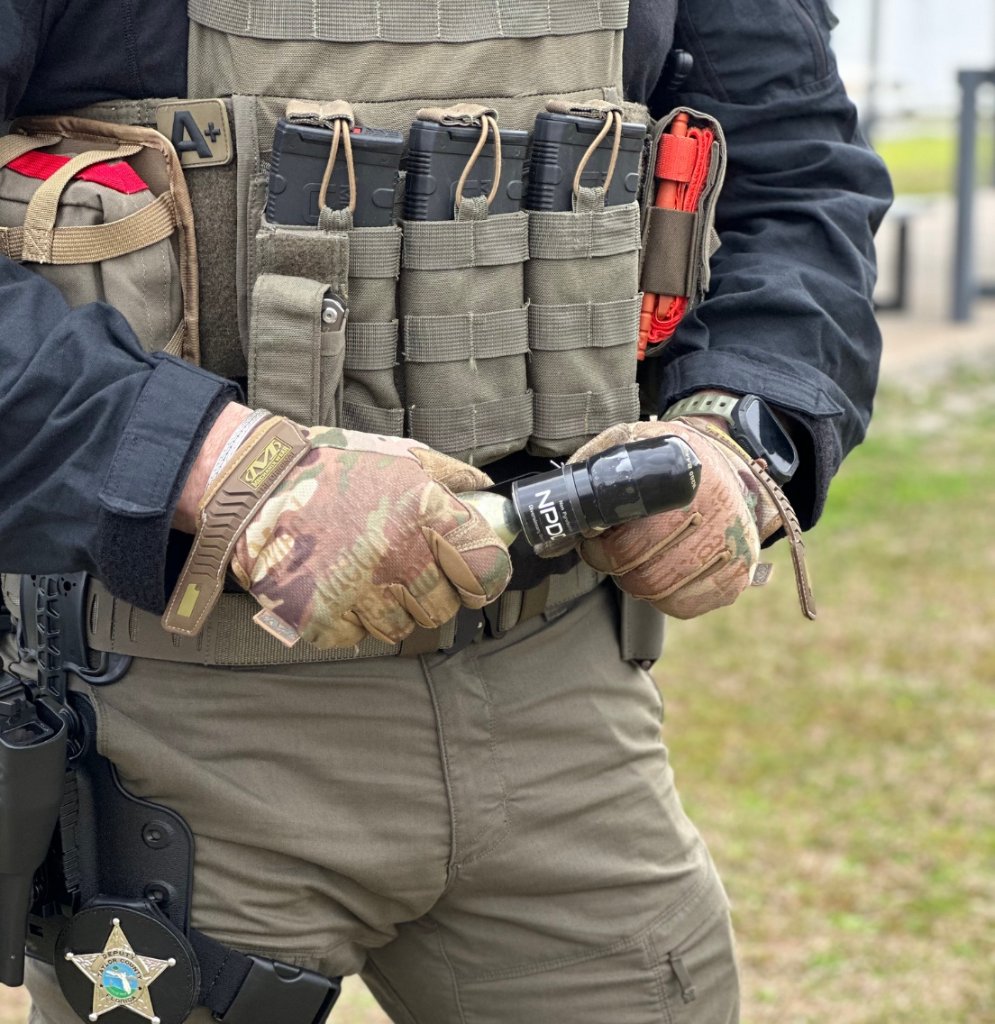
As of May 2026, a new wave of state-level legislation is targeting the procurement process for less-lethal chemical agents. Lawmakers are increasingly demanding that the chemical compositions of PAVA, OC, and CS munitions be subjected to independent, third-party laboratory testing before they can be purchased with state or local funds. This legislative movement is driven by a desire for greater transparency regarding the health impacts of aerosolized irritants, particularly when used in high concentrations during crowd management events. Agencies are now caught between operational needs and the requirement for verified safety data.
Key Details
The proposed and recently passed bills require manufacturers to disclose full ingredient lists—including 'inert' carriers and propellants—to state oversight boards. These boards then commission independent studies to determine the toxicity profiles and environmental persistence of the munitions. Of particular concern to legislators is the particulate size of powder-based delivery systems, which can affect how deeply the irritant is inhaled. For law enforcement, this means that several products currently in use may require recertification or replacement if they fail to meet the new, more stringent safety benchmarks established by these independent reviews.
Broader Context
This trend reflects a broader societal push for 'green' or 'human-safe' tactical technologies. While the primary purpose of these munitions is to gain compliance through discomfort, the legal standard is shifting toward ensuring that this discomfort does not lead to unintended secondary health complications. This movement is similar to the evolution of body armor standards through the National Institute of Justice (NIJ), suggesting that a national, independent standard for less-lethal chemical agents may be on the horizon. It represents a transition from trusting manufacturer specs to requiring governmental validation of safety claims.
Implications for Law Enforcement
Command staff and procurement officers must prepare for a more complex acquisition process. Agencies may need to update their internal policies to only allow for the purchase of 'certified safe' munitions, which could limit the available vendor pool in the short term. Additionally, there is a training implication: if an agency is forced to switch to a new chemical formulation due to legislative changes, the entire force will need to be re-exposed and retrained on the effects and decontamination procedures for the new product. This requires budget planning for both the testing-compliant munitions and the associated training hours.
Conclusion
The move toward independent toxicity testing is a clear signal that the regulatory environment for less-lethal tools is becoming more rigorous. For law enforcement leadership, staying ahead of these legislative mandates means engaging with vendors now to ensure their products will meet upcoming transparency standards. By prioritizing the procurement of independently verified munitions, agencies can demonstrate a commitment to safety and transparency, mitigating legal challenges and ensuring the continued availability of essential crowd control tools.