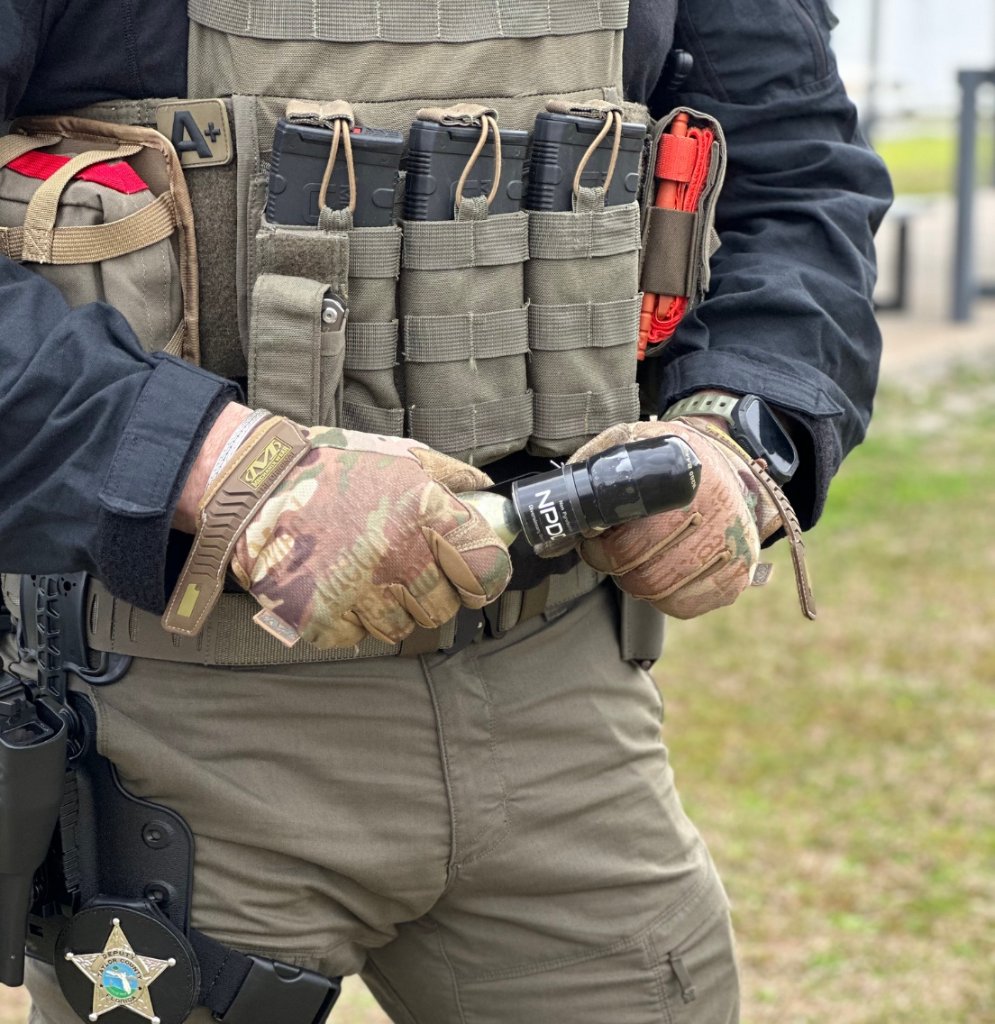
As the 2026 Department of Homeland Security (DHS) appropriations cycle takes effect, a significant shift in the federal funding landscape has emerged. Law enforcement agencies seeking grants for less-lethal equipment—ranging from kinetic impact munitions to advanced launcher systems—now face rigorous new transparency and policy alignment requirements. This legislative move reflects an increasing federal appetite for standardized data regarding the deployment and outcomes of less-lethal force in domestic contexts.
Key Details
The 2026 DHS Appropriations Act introduces specific language that ties State Administrative Agency (SAA) funding and Urban Area Security Initiative (UASI) grants to the adoption of the National Less-Lethal Incident Reporting Standard. To remain eligible, agencies must provide comprehensive data on the type of munitions deployed, the distance of engagement, and the specific situational triggers for use. Furthermore, the act prioritizes funding for agencies that have officially updated their use-of-force policies to include a stand-alone section on less-lethal tools, explicitly defining them as distinct from both de-escalation techniques and lethal force.
Broader Context
Historically, federal grants were largely focused on the acquisition of hardware with minimal strings attached regarding specific deployment metrics. However, recent scrutiny of crowd control tactics used during large-scale demonstrations over the last several years has prompted a legislative pivot. This trend is mirrored at the state level, where several legislatures have introduced bills that would restrict the use of certain chemical irritants and kinetic projectiles unless specific, federally-approved reporting mechanisms are in place. The 2026 federal requirements essentially serve as a national baseline, forcing a level of uniformity that has been absent from the less-lethal sector for decades.
Implications for Law Enforcement
For command staff, the implications are twofold: administrative and operational. Administratively, departments must invest in more robust software solutions to track munitions inventory and deployment logs to meet the new federal reporting thresholds. Operationally, the requirement to align with federal standards may necessitate a review of existing field manuals. If an agency's policy on area-saturation tools does not meet the specified 'precision engagement' criteria outlined in the 2026 grants, they risk a total loss of funding for those systems. This could leave departments reliant on aging technology at a time when civil unrest remains a high-priority risk factor.
Conclusion
The era of unrestricted federal funding for less-lethal assets is closing. Command staff must proactively audit their current deployment policies and reporting structures to ensure they align with the 2026 DHS mandates. Strategic planning should focus on integrating these federal standards into departmental culture now, rather than waiting for a grant rejection to signal the need for change. Long-term readiness will depend on the ability to demonstrate that less-lethal tools are used with the precision and accountability that current federal law now demands.