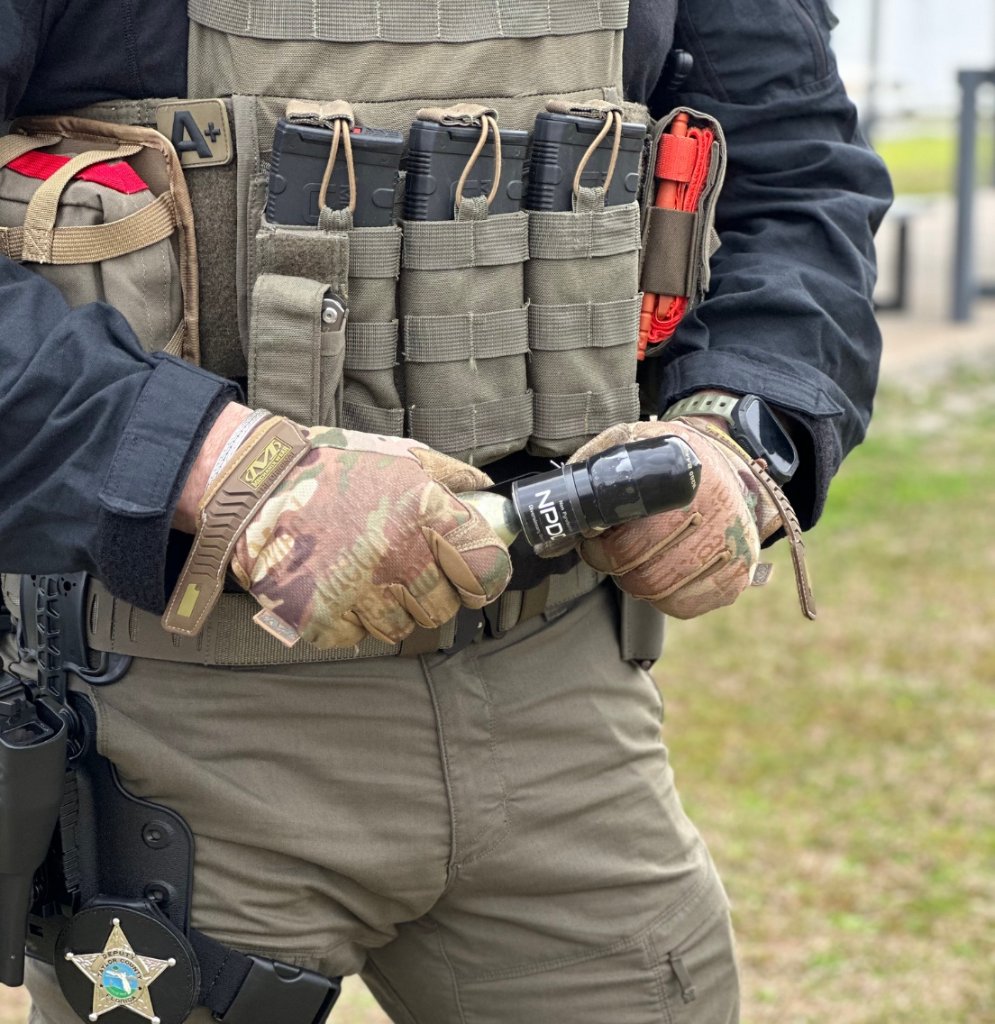
The landscape of crowd management is undergoing a significant shift as state-level legislative bodies introduce more stringent regulations regarding the use of less-lethal force. Recent sessions have seen a flurry of bills aimed at restricting the types of munitions available for civil unrest response and the specific conditions under which they may be deployed. These legislative movements represent a departure from broad departmental discretion, favoring instead a highly regulated framework that prioritizes the mitigation of collateral injury in dense urban environments.
Key Details
New statutes recently passed in several jurisdictions focus on the prohibition of area-saturation techniques. Specifically, legislation now targets the use of multiple-projectile rounds, such as bean bag or wooden baton rounds, when fired into large crowds without a specific, identifiable threat. Furthermore, many of these laws now mandate a clear warning period—often defined by a specific duration and decibel level—before any chemical irritant or kinetic projectile can be deployed. These mandates also include the requirement for an on-site supervisor of a specific rank to authorize the use of 40mm or 37mm systems, effectively removing the immediate tactical decision-making from the individual officer on the line during mass demonstrations.
Broader Context
Historically, less-lethal tools were governed by broad departmental policies and the constitutional standard of objective reasonableness. However, following several years of high-profile litigation involving secondary injuries from ricochets and improper deployment distances, state lawmakers are intervening to create a more rigid legal floor. This trend reflects a broader national movement toward precision policing, where the tools used for crowd dispersal are expected to meet the same accuracy and accountability standards as lethal systems. This legislative wave is also being influenced by non-binding recommendations from federal advisory boards that suggest a phased approach to force, moving from verbal commands to physical barriers before any projectile deployment is considered.
Implications for Law Enforcement
For law enforcement command staff, these changes necessitate an immediate audit of existing crowd control manuals. The operational impact is twofold: first, the procurement of multi-shot launchers may become a liability if the department cannot prove rigorous training in point-of-aim precision; second, the logistical requirement for high-ranking supervisors to be present at all deployment points may strain personnel resources during prolonged unrest. Agencies must also invest in higher-fidelity reporting software that can track the GPS coordinates and discharge justification for every less-lethal round fired. Training must pivot away from mass dispersal tactics toward the isolation of specific agitators, using high-accuracy systems rather than area-denial munitions.
Conclusion
The era of broad discretion in the use of crowd control munitions is closing. Strategic leaders should anticipate further restrictions and begin transitioning their units toward precision-based less-lethal platforms. Success in this new regulatory environment will depend on a department's ability to demonstrate restraint and surgical accuracy, supported by exhaustive documentation and a clear chain of command for every use-of-force incident.