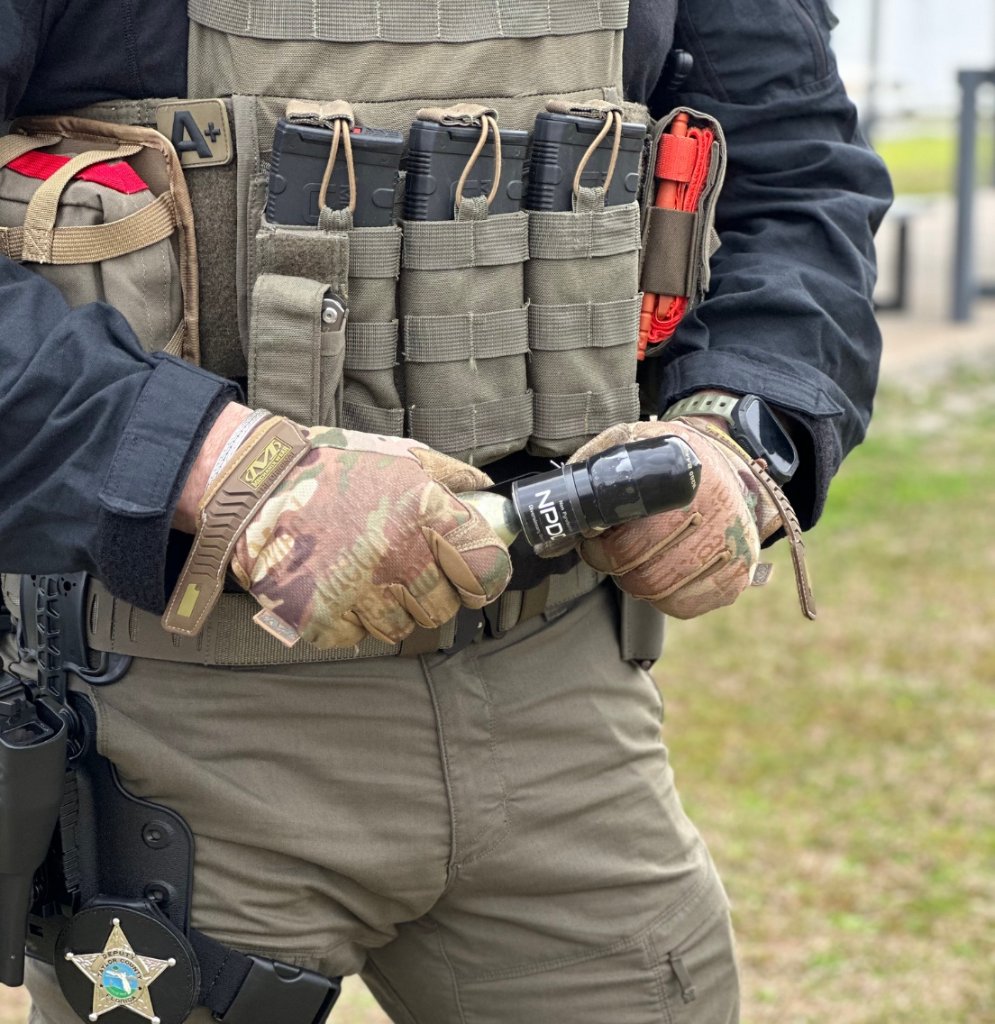
The landscape of federal financial support for municipal law enforcement has reached a significant pivot point with the finalization of the 2025-2026 DHS appropriations bill. Unlike previous funding cycles that focused primarily on the modernization of tactical hardware, the new fiscal framework introduces stringent accountability measures that directly impact how agencies procure and deploy less-lethal systems. This shift is designed to standardize the use of crowd control tools across state and local jurisdictions, ensuring that federal tax dollars support evidence-based policing strategies.
Key Details
Under the new provisions, agencies applying for federal grants through the Law Enforcement Assistance Program must now provide a three-year historical audit of all less-lethal deployments. This includes specific data on the use of kinetic impact projectiles, chemical irritants, and distraction devices. Furthermore, the bill mandates that any agency receiving funding for 40mm launchers or multi-shot systems must adopt a federally approved 'Less-Lethal Deployment Policy' that includes mandatory post-incident medical evaluations for all subjects engaged with such tools. The appropriations also set aside specific funds for the 'Green Munition' initiative, which incentivizes the purchase of biodegradable and non-toxic chemical agents, reflecting a growing government focus on the environmental and long-term health impacts of crowd dispersal tactics.
Broader Context
This legislative move follows several years of heightened scrutiny regarding the consistency of less-lethal force across various jurisdictions. The Department of Justice and the Department of Homeland Security have moved toward a more integrated approach, aligning grant eligibility with the broader goals of the 2026 Law Enforcement Accountability Act. Historically, procurement was largely a local matter influenced by regional tactical needs. However, the federal government is now using its 'power of the purse' to enforce a national standard of care. This trend reflects a broader move toward professionalization and the reduction of civil liability through standardized equipment and deployment protocols, a trajectory that has been building since the reform movements of the early 2020s.
Implications for Law Enforcement
For command staff and procurement officers, the immediate impact is an increased administrative burden. The requirement for granular data collection means that agencies must invest in digital tracking systems that can log every round fired, the distance of the engagement, and the tactical justification for the use of force. Agencies that fail to maintain these records risk being barred from future DHS grant cycles. Beyond the paperwork, the policy shift necessitates a review of existing stocks. As federal funding prioritizes 'low-toxicity' and 'precision-guided' less-lethal platforms, older smoothbore systems and certain pyrotechnic devices may become more difficult to fund, pushing agencies toward more expensive but federally compliant technological solutions.
Conclusion
Strategic planning for the 2026 fiscal year must account for these new federal realities. Command staff should prioritize the integration of deployment logging software and the updating of department manuals to reflect the new DHS standards. While the initial hurdle for grant eligibility is higher, the move toward standardized less-lethal protocols offers a long-term benefit in the form of reduced litigation risk and improved public trust. The era of decentralized less-lethal procurement is rapidly closing, replaced by a model that demands transparency in exchange for technology.