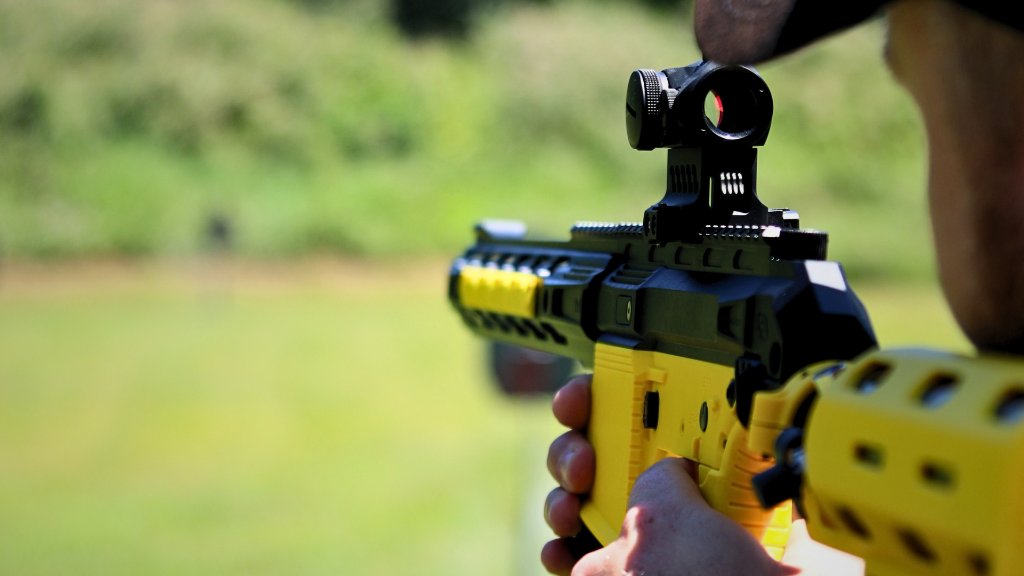
As of July 2026, the federal government has signaled a definitive end to the era of the pyrotechnic distraction device. In the latest round of Department of Homeland Security (DHS) grant guidance, new language has been inserted that makes the procurement of traditional flashbangs increasingly difficult for local agencies relying on federal funds. The pivot toward 'Cold-Gas Diversionary Systems' (CGDS) is driven by a two-pronged focus on officer safety and reduced secondary damage. This change in procurement strategy will reshape the tactical gear landscape for the next decade, as agencies move to align their inventories with these new federal standards.
Key Details
The 2026 DHS Grant Program (specifically the Urban Area Security Initiative) now includes a 'Safety Preference' clause for less-lethal procurement. This clause awards higher scoring—and thus faster funding—to agencies that select diversionary devices utilizing pneumatic or CO2-powered mechanisms. Unlike traditional devices that rely on a chemical burn to produce light and sound, these new systems use high-pressure gas to release acoustic pulses or PAVA powder. The federal government's rationale is clear: pyrotechnic devices have been linked to over 15% of tactical structural fires and numerous cases of permanent tinnitus among SWAT personnel. By incentivizing the switch to pneumatic systems, the DHS aims to modernize tactical response while lowering the long-term liability costs associated with pyrotechnic accidents.
Broader Context
This transition mirrors the broader move within the Department of Justice toward 'Fire-Safe' tactical interventions. Over the last five years, several high-profile settlements involving flashbang-initiated fires have made the traditional pyrotechnic device a high-risk tool for many municipalities. Simultaneously, the technology behind non-pyrotechnic alternatives has matured. Current pneumatic devices can now match the decibel output of traditional munitions without the risk of shrapnel or combustion. This technical readiness, combined with the federal government's 'Green Tactical' initiative—which seeks to reduce the environmental and physiological footprint of law enforcement operations—has created a perfect storm for the rapid adoption of gas-powered distraction tools.
Implications for Law Enforcement
Commanders must now audit their tactical arsenals to ensure they remain eligible for federal equipment grants. Transitioning to pneumatic diversionary tools is not merely a gear swap; it requires a revision of tactical protocols. For example, because cold-gas devices do not produce a blinding flash of the same intensity as magnesium, teams may need to adjust their entry timing or supplement with high-intensity strobe lights. However, the benefits are significant: these devices can often be used in environments where traditional flashbangs are prohibited, such as near flammable materials or in high-oxygen medical facilities. Furthermore, many pneumatic systems are reloadable and sustainable, offering a lower per-deployment cost over the lifecycle of the equipment compared to single-use pyrotechnics.
Conclusion
The shift toward pneumatic distraction technology is no longer a matter of preference but of fiscal and operational necessity. As federal funding increasingly mandates the use of non-pyrotechnic systems, agencies that fail to modernize risk being left with obsolete and uninsurable tools. Command staff should leverage the current grant cycle to transition their tactical teams to cold-gas systems, ensuring that their agencies stay ahead of both federal mandates and the evolving standards of tactical safety.