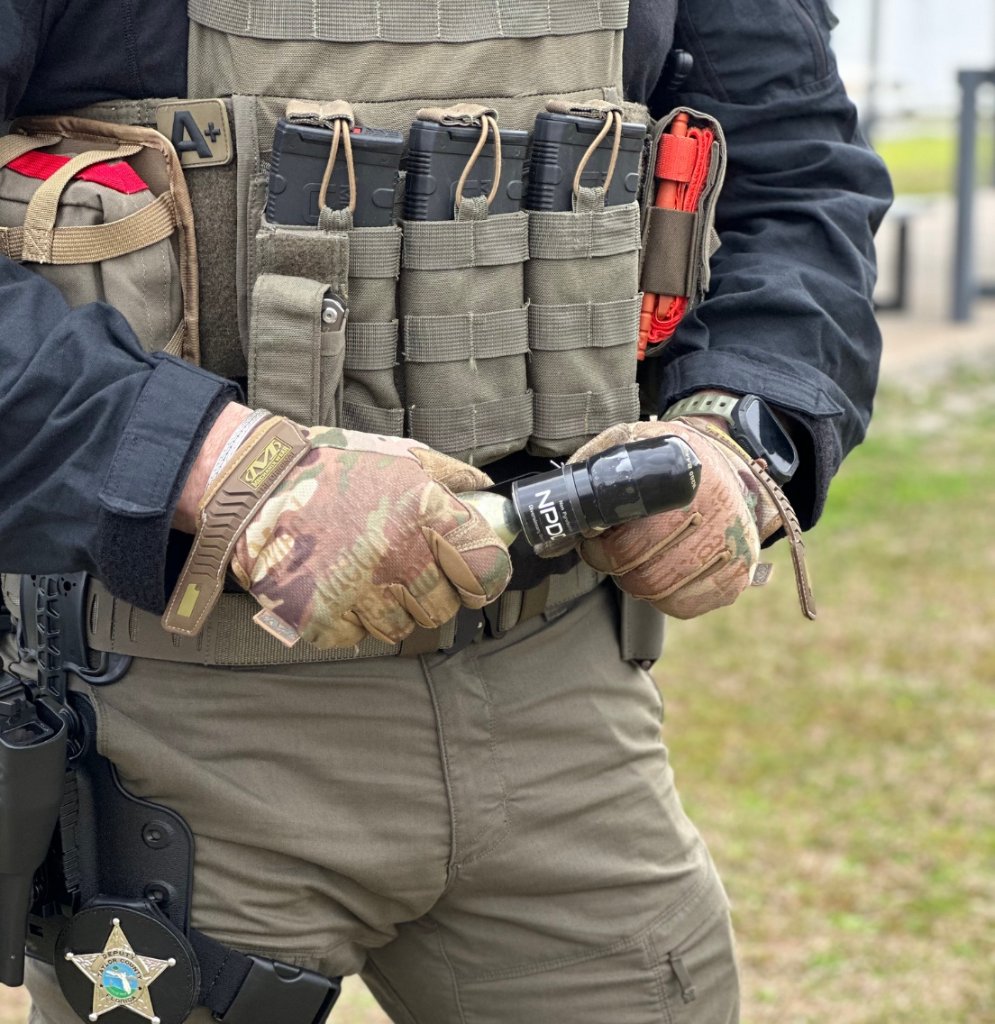
The landscape of tactical procurement is being reshaped by the latest federal funding cycle. The 2025-2026 Department of Homeland Security (DHS) appropriations bill contains specific language that incentivizes the adoption of non-pyrotechnic distraction and diversionary devices. For the first time, federal grant eligibility for tactical gear is being tied to the 'safety profile' of the munitions being purchased. This clear policy direction signals a federal intent to move away from traditional pyrotechnic 'flashbangs,' which have long been associated with accidental fires and severe blast injuries during high-risk entries and indoor tactical operations.
Key Details
The new funding provisions prioritize the acquisition of 'advanced non-combustible diversionary technology.' This category includes PAVA-based distraction grenades—which utilize a chemical irritant cloud and a loud report without a flash—and electronic devices that emit high-decibel sound and blinding light through LED technology. Agencies applying for Justice Assistance Grants (JAG) or Urban Area Security Initiative (UASI) funds will now find that their applications receive higher priority scores if they are earmarked for these safer alternatives. Furthermore, the bill includes a provision for a 'buy-back' or 'replacement' program, assisting agencies in disposing of aging pyrotechnic stockpiles and replacing them with current-generation non-pyrotechnic systems.
Broader Context
This legislative shift is a response to years of data indicating that pyrotechnic devices, while effective, carry a high risk of collateral damage. In dense urban environments or cluttered residential settings, the heat generated by traditional flashbangs can easily ignite fires, leading to life-safety issues and substantial civil liability. By leveraging the power of federal appropriations, the government is effectively setting a new national standard for tactical equipment. This move aligns with broader efforts to modernize law enforcement tools to be more effective and less inherently dangerous to the surrounding environment and non-combatant occupants.
Implications for Law Enforcement
Command staff and procurement officers must immediately analyze their current tactical inventories in light of these new federal standards. Agencies that rely heavily on federal grants for their annual equipment budgets will need to update their multi-year procurement plans to include non-pyrotechnic alternatives. Training programs will also need to be adjusted, as the deployment characteristics of PAVA-based or electronic devices differ from traditional pyrotechnics. Specifically, the 'wait times' and 'exclusion zones' for these new tools may be shorter, allowing for faster tactical entries, but they require different handling and maintenance protocols. This is a strategic opportunity to modernize tactical capabilities while simultaneously reducing an agency's liability footprint.
Conclusion
The 2026 federal appropriations bill represents a turning point in the acquisition of less-lethal and diversionary tools. The push toward non-pyrotechnic systems is no longer a suggestion; it is a fiscal reality. Law enforcement leadership must stay ahead of this trend by aligning their procurement and training strategies with these new federal mandates. Embracing these advanced technologies will ensure continued access to vital federal funding while enhancing the safety and effectiveness of tactical operations. The transition to safer, non-combustible distraction devices is a critical step forward for the profession.