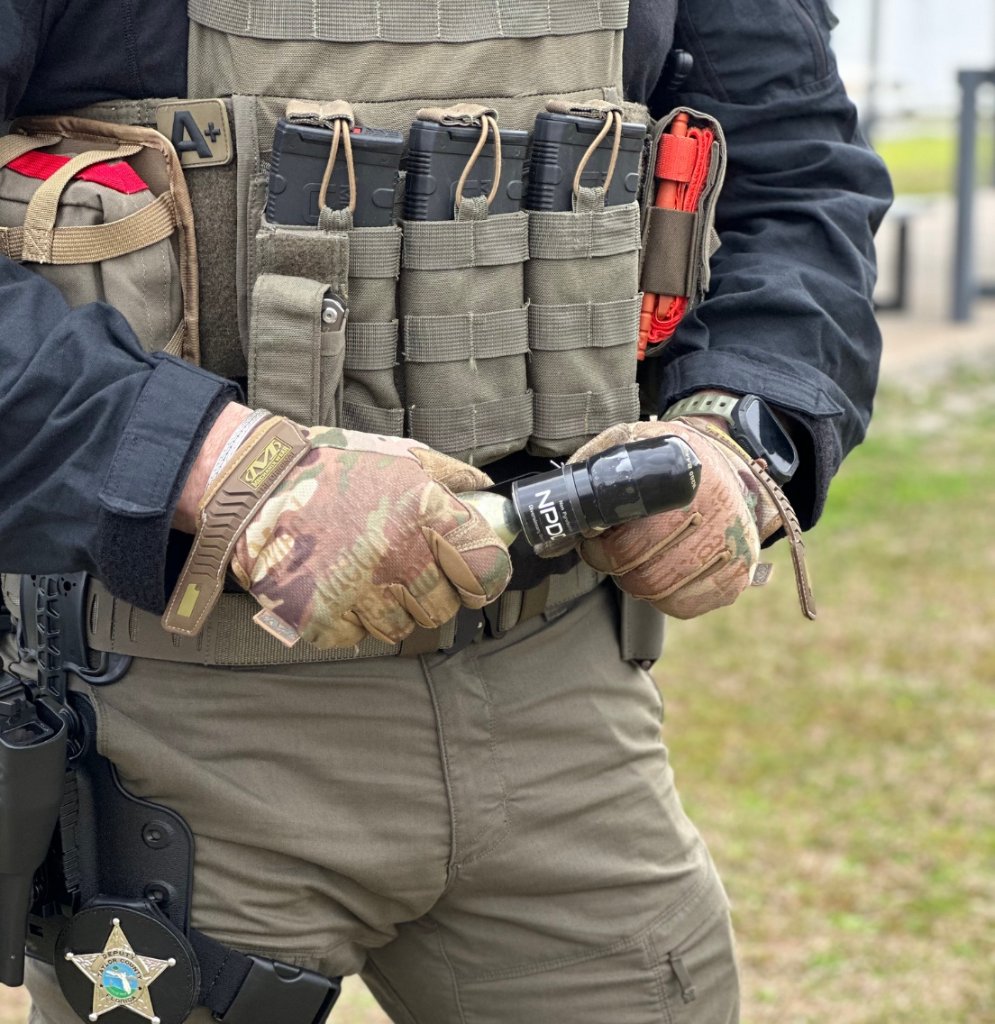
The FBI UCR Program stopped publishing traditional LEOKA data tables in 2025. Gone are the formatted publication tables that agencies and researchers had relied on for years. In their place, the FBI now delivers visual data representations through the Crime Data Explorer (CDE) platform, according to the UCR Program's quarterly report published June 3, 2025.
What the Crime Data Explorer Now Provides
The CDE platform is now the primary repository for LEOKA data covering 2020 to the present. The interface lets users download and export specific data elements, including charts and graphs, the FBI said. Historical data from 1996 through 2019 remains accessible through the FBI.gov archive.
The FBI has encouraged agencies to use these CDE tools to better understand trends in officer assaults and fatalities. Monthly, the FBI continues to release a one-page LEOKA infographic that details accidental and felonious officer deaths — a narrower document than the old annual tables, but one that keeps current information flowing on a regular cycle.
What the 2024 Data Shows
The FBI released its 2024 Special Report on Officers Killed and Assaulted in May 2025. The numbers are specific. In 2024, 64 law enforcement officers were feloniously killed in the line of duty. Of those 64 officers, 71.9 percent sustained gunshot wounds, according to the report. That works out to roughly 46 officers killed by firearms in a single year.
Those figures come from a collection that spans federal, state, county, city, tribal, and university and college law enforcement agencies. Participation remains voluntary. As of the quarterly report, 11,955 federal, state, local, and tribal agencies contribute data to the collection.
Coverage and the Voluntary Participation Question
The National Use-of-Force Data Collection, a related effort tracked by the UCR Program, had reached 77.6 percent of the estimated 937,000 sworn officers nationwide as of May 2025, according to the quarterly report. That figure reflects how far voluntary data collection efforts have come, but it also marks the ceiling: more than one in five sworn officers in the country are not yet represented.
The FBI has made plain that granular incident data is essential for developing effective officer protection strategies, the UCR Program said. Because participation in LEOKA data collection remains voluntary, coverage depends on individual agency decisions to submit. The program aims to inform training and policing strategies to improve officer safety — goals that become harder to achieve when data gaps persist.
The Modernization Drive Behind the Change
The move away from static publication tables is part of a broader modernization effort within the FBI's UCR program. The digital-first approach lets the FBI update, visualize, and distribute data faster than a traditional print or PDF table format allows. The CDE's export functions give analysts and administrators more flexibility in how they work with the underlying numbers.
The LEOKA dataset was last updated in the federal Data.gov catalog on April 20, 2026, according to the Department of Justice listing on Data.gov. That catalog entry covers the full scope of the LEOKA collection: federal, state, county, city, tribal, and university and college agencies.
For agencies accustomed to pulling annual tables out of a PDF report, the transition requires learning where to go and how to operate the CDE export tools. The FBI has directed agencies to the platform directly and continues to publish the monthly infographic as a bridge for those who need a quick current snapshot without navigating the full database interface.
The 2024 finding that nearly three-quarters of felonious officer deaths involved gunshot wounds gives context to why the FBI treats this data as operationally significant, not just historical record-keeping. Sixty-four officers killed in a single year. Forty-six of them by firearms. Those are not abstract figures for the agencies sending officers into the field.