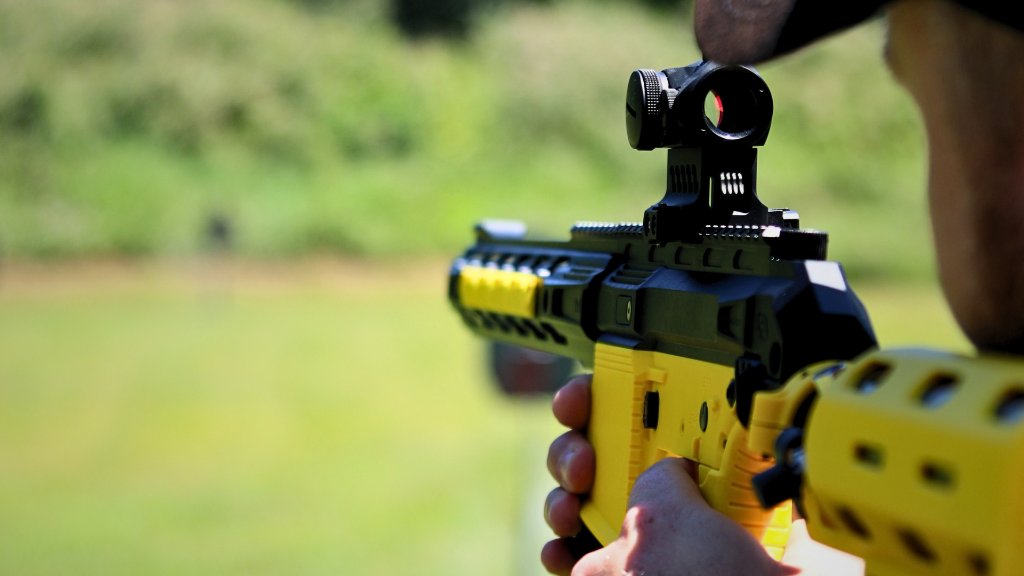
As of July 2, 2026, the General Services Administration (GSA) and the Department of Homeland Security have updated their procurement specifications for kinetic energy munitions (KEM). The new standards prioritize "controlled energy dissipation," moving the industry away from traditional solid-rubber or high-density bean bag rounds. This shift is a direct response to medical data suggesting that legacy munitions, while effective at pain compliance, often carried an unacceptable risk of deep-tissue trauma and bone fractures when deployed at close range.
Key Details
The updated specifications require that any kinetic round purchased with federal grant money must demonstrate a specific "crush coefficient"—a measure of how the round deforms upon impact to spread energy over a larger surface area. New composite materials, including collapsible foam structures and segmented gel-filled projectiles, are now the preferred standard. These munitions are designed to deliver sufficient force to stop a threat while significantly reducing the peak pressure exerted on the human body. Furthermore, the 2026 guidelines mandate color-coded identification for rounds based on their effective range, reducing the likelihood of a high-velocity long-range round being used at an unsafe short-distance.
Broader Context
The push for safer kinetic tools comes at a time when the "less-lethal" moniker is under intense judicial scrutiny. Courts have increasingly looked at the technical specifications of equipment to determine if an agency's choice of tool was "objectively reasonable." By shifting toward munitions with higher energy dissipation, law enforcement agencies are aligning themselves with a new technical consensus that prioritizes the prevention of permanent injury. This move is also reflected in the 2026 federal budget, which allocates specific funds for "Less-Lethal Modernization Grants."
Implications for Law Enforcement
Logistics and procurement officers will need to audit their current stockpiles. Legacy bean bag rounds and older foam batons may no longer meet the requirements for federal reimbursement or liability protection. While the unit cost for these advanced composite rounds is higher than traditional munitions, the reduction in potential civil settlements for excessive force or unintended injury offers a clear return on investment. Agencies should also expect a transition period where launchers may need to be recalibrated or fitted with new optics to account for the slightly different ballistics of these lighter, more aerodynamic composite rounds.
Conclusion
Investing in the next generation of kinetic impact tools is a strategic necessity for 2026 and beyond. By adopting munitions designed with advanced energy dissipation, command staff can provide their officers with effective tools that are fundamentally safer and more aligned with modern public safety expectations. Procurement decisions made today will define an agency's liability profile for the next decade.