In the high-pressure world of tactical entries and barricaded subject resolution, the tools used to gain a momentary advantage are undergoing a technical evolution. For decades, the pyrotechnic distraction device, or flashbang, was the industry standard. However, the operational risks associated with these devices—ranging from structural fire hazards to permanent hearing damage—have led to a surge in interest for non-pyrotechnic alternatives. Recent procurement data suggests that law enforcement agencies are increasingly turning toward aerosol-based distraction systems, particularly those utilizing PAVA (Pelargonic Acid Vanillylamide), to achieve tactical objectives without the secondary risks inherent in combustion-based tools.
Key Details
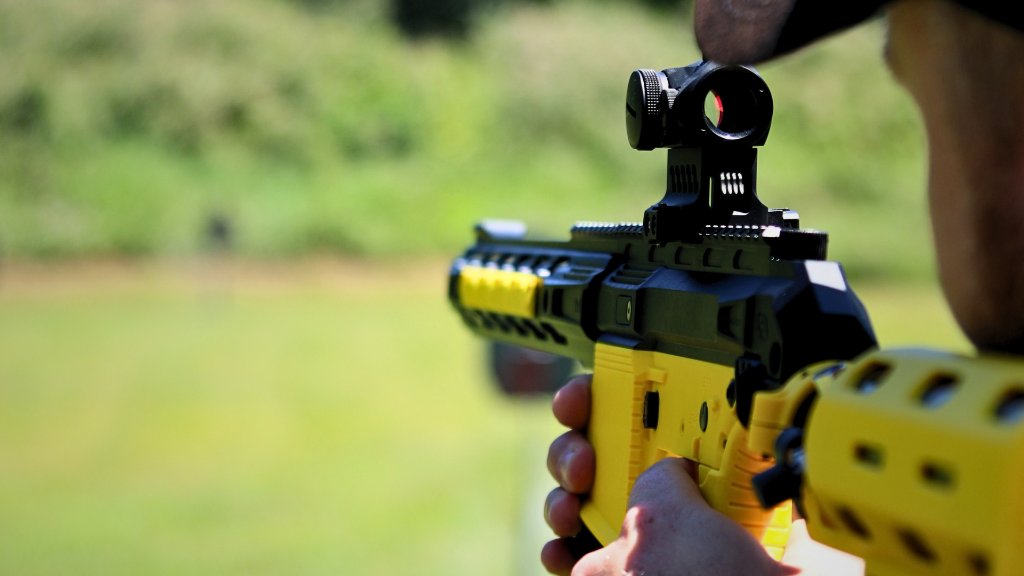
Recent advisories from federal public safety evaluators have highlighted the efficacy of non-pyrotechnic distraction grenades that rely on high-pressure CO2 to disperse PAVA powder or liquid. These devices provide the necessary sensory overload through a combination of a loud report and the immediate introduction of a respiratory irritant, but without the heat or spark that can ignite flammable materials. Procurement trends in 2026 show a 30% increase in the acquisition of multi-shot aerosol launchers and reloadable distraction canisters. These systems are being integrated into GSA schedules, making them more accessible for federal and local agencies alike. Furthermore, new standards from the National Institute of Justice (NIJ) are currently being drafted to specifically address the performance metrics of these aerosolized systems, focusing on dispersal patterns and the concentration of the irritant agent.
Broader Context
The move away from pyrotechnics is largely driven by a series of high-profile incidents where traditional flashbangs caused catastrophic fires during residential search warrants and tactical clearances. These events resulted in significant civil settlements and a reassessment of the force continuum regarding distraction. At the same time, the tactical community has recognized that PAVA-based systems offer a more persistent psychological deterrent than a momentary flash of light. By saturating a confined space with a respiratory irritant, tactical teams can maintain a tactical advantage for a longer duration, facilitating a safer and more controlled entry or surrender process.
Implications for Law Enforcement
For agencies considering a transition, the primary shift involves training and storage protocols. Unlike pyrotechnic devices, which are classified as destructive devices or explosives and require specialized ATF-compliant storage, most aerosolized distraction tools are exempt from these strict regulations. This significantly reduces the administrative and physical overhead for smaller departments. However, training must be updated to account for the environmental factors that affect aerosol dispersal, such as HVAC systems and room volume. Command staff must also consider the cost-benefit analysis of reloadable versus disposable systems, as the long-term savings of reloadable platforms can be substantial despite the higher initial investment in the launcher hardware.
Conclusion
The transition to non-pyrotechnic distraction technology represents a mature response to the evolving risks of modern policing. By prioritizing tools that offer sensory distraction without the risk of fire or blast injury, agencies are demonstrating a commitment to professional excellence and risk mitigation. As NIJ standards continue to formalize the requirements for these systems, it is expected that aerosolized PAVA platforms will soon become the primary choice for tactical clearances, setting a new benchmark for safety and effectiveness in the field.