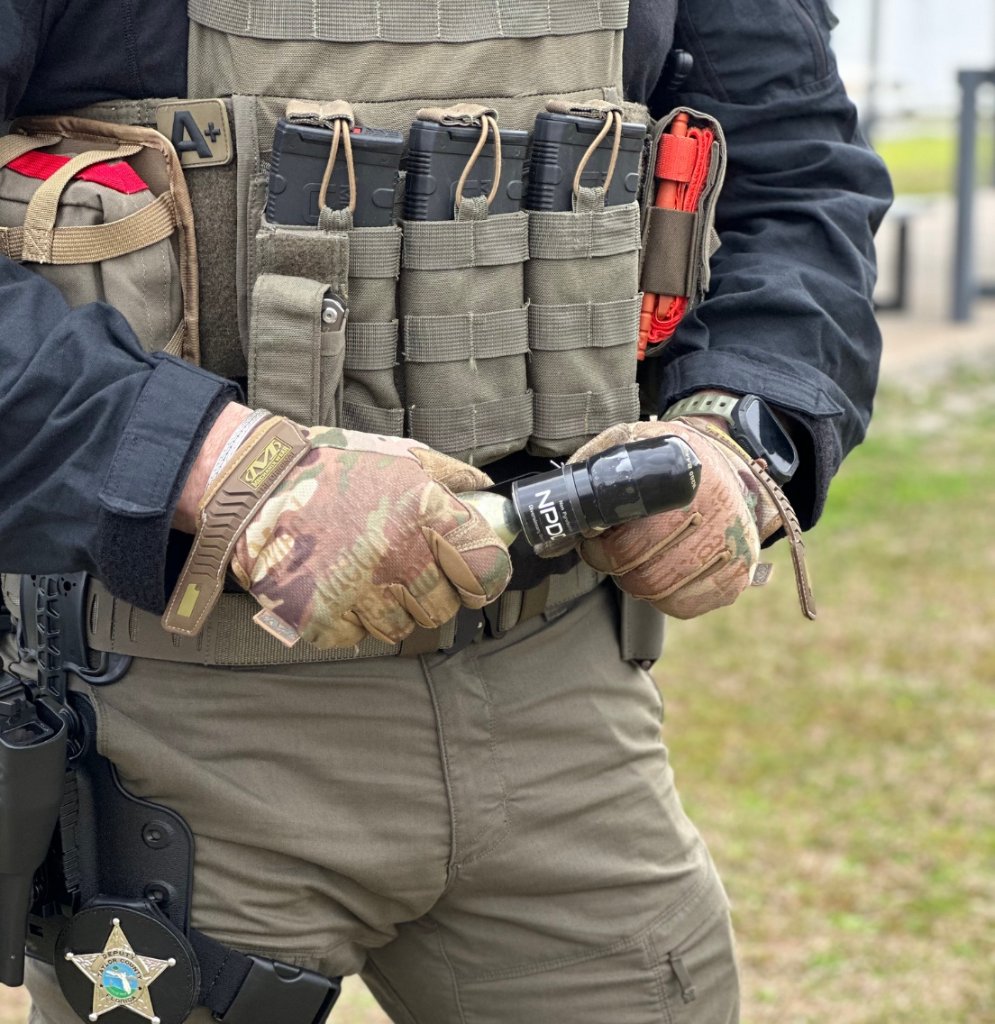
The deployment of kinetic impact projectiles (KIPs), such as 40mm foam rounds and bean bag munitions, is currently under intense scrutiny. A series of recent administrative shifts across the country indicates that the era of using these tools for general crowd dispersal is ending. Instead, agencies are adopting policies that limit the use of KIPs to situations involving specific, identifiable threats of violence. This transition toward 'precision engagement' represents a fundamental change in how law enforcement manages civil unrest and high-risk encounters, focusing on neutralizing individual agitators rather than exerting force against a collective group.
Key Details
New departmental directives are introducing strict 'target identification' protocols for any less-lethal projectile deployment. Under these rules, an officer must be able to articulate a specific threat of physical harm before discharging a less-lethal launcher. The use of 'skip-firing'—the practice of bouncing rounds off the ground—is being phased out in many jurisdictions due to the inherent unpredictability of the projectile's trajectory. Furthermore, policies are now being updated to include mandatory 'after-action' medical assessments for any person struck by a kinetic round. This includes a requirement for officers to call for emergency medical services (EMS) immediately following a strike, regardless of the apparent severity of the injury.
Broader Context
This shift in deployment criteria is a direct result of several years of litigation and public policy debate. Appellate courts have increasingly held that the indiscriminate use of less-lethal munitions against non-violent protesters violates the Fourth Amendment. Simultaneously, advances in less-lethal technology have provided officers with more accurate launchers and munitions, making the precision-only approach technically feasible. The national trend is moving away from the 'compliance-through-pain' model and toward a 'targeted-incapacitation' model, which aims to minimize collateral injuries while maintaining the ability to address violent actors within a crowd.
Implications for Law Enforcement
For operational commanders, these policy changes require a thorough review of Standing Operating Procedures (SOPs). Tactical teams must be retrained to distinguish between passive non-compliance and active aggression under the new legal standards. There is also a greater emphasis on the role of the 'Less-Lethal Supervisor,' a designated officer responsible for authorizing and documenting every round fired during a tactical incident. This level of oversight is intended to protect both the agency and the individual officer from liability. Additionally, procurement strategies may need to adjust, favoring precision-guided munitions and high-accuracy launchers over older, less reliable stock.
Conclusion
Precision and accountability are the new mandates for the use of kinetic impact projectiles. By narrowing the window of deployment to specific, high-risk targets, agencies can effectively manage volatile situations while adhering to evolving legal and ethical standards. Command staff should view these policy shifts not as a restriction of their capabilities, but as a refinement of their tactical options. Clearer rules of engagement will ultimately lead to safer outcomes for both officers and the public, preserving the legitimacy of less-lethal tools as a critical component of the modern force continuum.