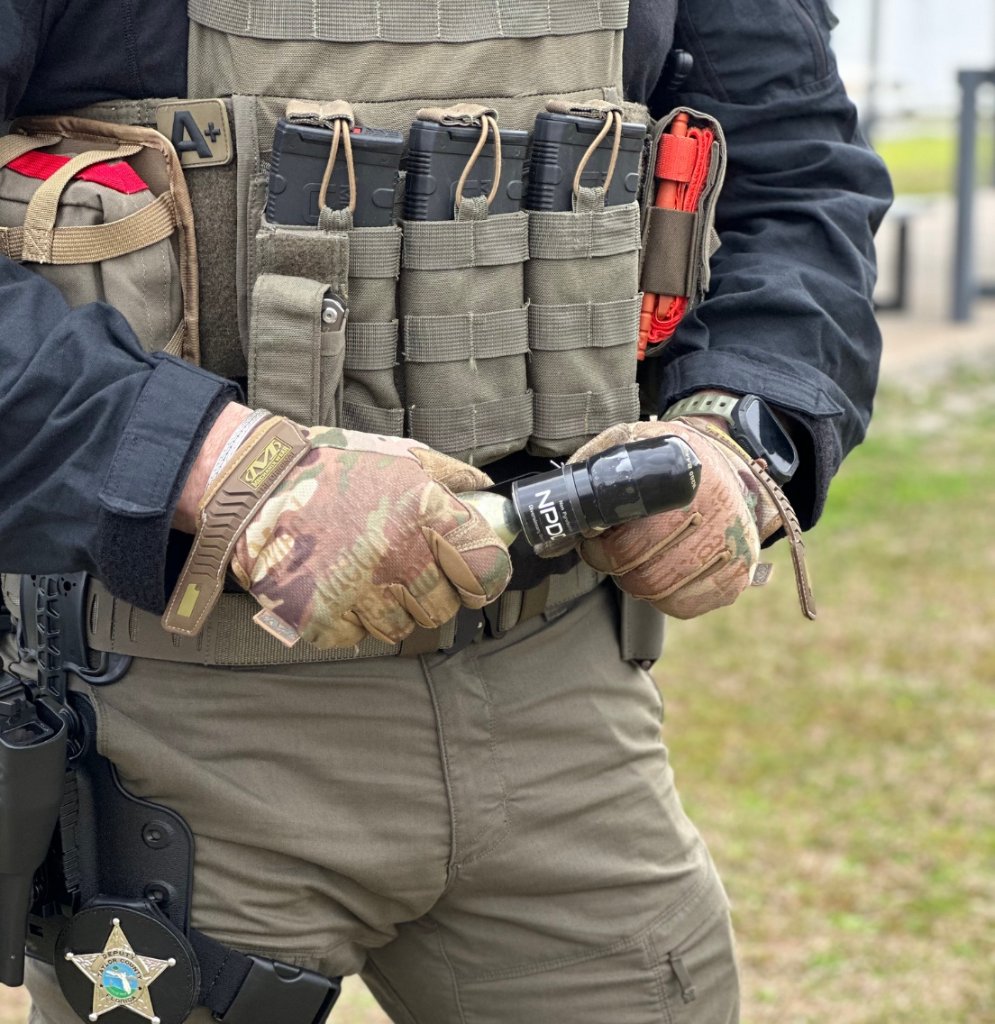
Recent judicial examinations of civil unrest response have signaled a significant shift in how less-lethal force is evaluated by legal oversight bodies. Historically, the use of dispersal agents and impact munitions was often judged by the overall volatility of a crowd. However, a series of 2026 district court proceedings have emphasized the requirement for individual officer intentionality, even within mass-gathering scenarios. This means that every deployment of a 40mm sponge round or chemical irritant must be tied to a specific, identifiable threat rather than a general desire to clear a geographic area.
Key Details
Analytical data from the first quarter of 2026 indicates that several major metropolitan agencies are facing litigation not for the choice of tools, but for the lack of documented individual threat assessment prior to use. Legal analysts are identifying a trend where 'blanket dispersal' orders are no longer sufficient to justify the use of less-lethal tools against individuals who may be non-compliant but non-threatening. Furthermore, new guidance suggests that the use of multi-shot launchers in rapid succession against diverse crowd segments requires a higher level of situational awareness and subsequent justification for each payload delivered.
Broader Context
The national law enforcement landscape is moving toward a 'surgical response' model for crowd management. This evolution is driven by the refinement of the force continuum, which now places a higher premium on de-escalation even during active civil disturbances. The transition from large-scale, indiscriminate chemical agent deployment to targeted, precision-based less-lethal intervention mirrors the technological advancements in sighting systems and projectile aerodynamics. This context highlights the narrowing gap between the accountability standards of lethal force and those of less-lethal systems.
Implications for Law Enforcement
For command staff, the immediate operational impact is the need for enhanced documentation and field supervision during deployments. Every officer assigned a less-lethal platform must be trained to verbalize and record the specific actions of a subject that necessitated the use of force. This documentation must occur as soon as the tactical situation permits, ensuring that the 'intentionality' of the shot is clear. Additionally, agencies may need to re-evaluate their mobile field force formations to include dedicated spotters whose sole responsibility is to identify specific agitators, allowing the less-lethal operators to maintain a focus on precision rather than crowd observation.
Conclusion
The strategic takeaway for leadership is the necessity of aligning less-lethal deployment with a precision-based tactical philosophy. As courts increasingly scrutinize the individual application of force within crowds, agencies that fail to modernize their documentation and targeting protocols risk significant legal and public trust liabilities. Future readiness will depend on the ability to demonstrate that every round fired was a deliberate, justified response to a specific threat, maintaining the legitimacy of less-lethal tools as a viable alternative to higher levels of force.