New York City Mayor Zohran Mamdani and NYPD Commissioner Jessica Tisch announced on November 16, 2026 that the department will disband the Strategic Response Group, a unit created in 2015 with a dual mandate covering counterterrorism and crowd management. The administration said the core problem with that structure was the blending of two operationally distinct missions under one command, and the reforms are designed to pull them apart entirely.
Counterterrorism work previously assigned to the SRG will move into the existing Intelligence and Counterterrorism Bureau. The administration said no new funding is attached to that consolidation. The transition is expected to be fully operational by January 2027, and the department confirmed the reforms will be implemented without additional budget allocations or any change to the total size of the NYPD workforce.
The New Three-Layer Protest Structure
The replacement architecture has three distinct components, each with a different function and level of authority.
The first is the Community Dialogue and De-escalation Division, or CDDD, which will sit inside the Mayor's Office of Community Safety rather than within the NYPD. CDDD personnel will carry no weapons and will hold no arrest powers. Their role is planning for and responding to demonstrations through communication and coordination before confrontation becomes a possibility. The civilian positioning is intentional — the administration said the structure separates protest engagement from law enforcement command chains.
The second component is the First Amendment Support Team, known as FAST, a 30-officer uniformed unit within the NYPD that specializes in communication and de-escalation. These officers will be the department's primary point of contact during demonstrations.
The third is the Patrol Support Division, or PSD, created within the Patrol Services Bureau. PSD officers are drawn from vetted personnel who have completed specialized crowd management training. The PSD exists to support protest responses when the situation requires a larger uniformed presence, but it operates under the same policy constraints as every other element of the new structure.
What Officers Can and Cannot Do Under the New Rules
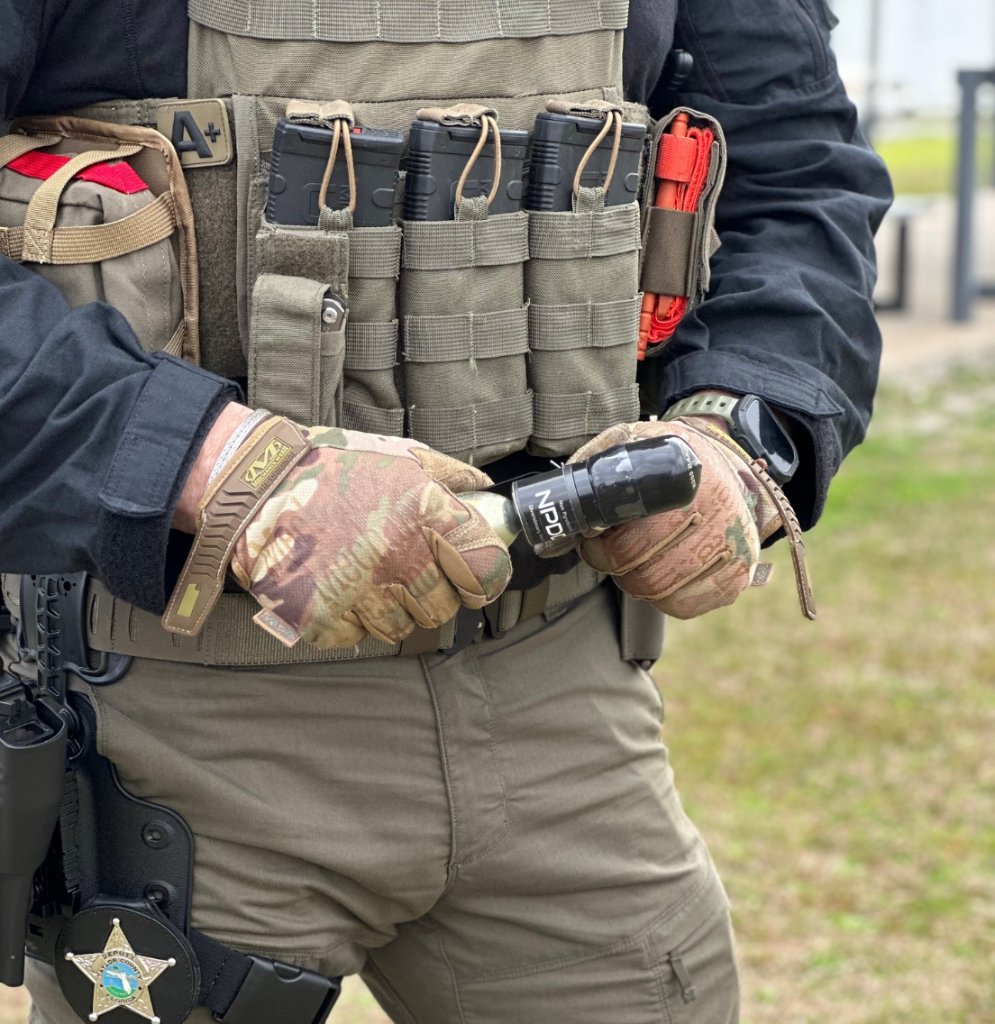
The policy changes are specific. Kettling — the practice of encircling demonstrators to restrict movement and exit — is formally banned. Long guns and tear gas are prohibited during First Amendment activities. Pepper spray, previously available as a general crowd management tool, is now restricted and cannot be deployed in that broad role.
Long-range acoustic devices, or LRADs, may still be used, but at a maximum output of 90 decibels. That cap limits the device to a range closer to a loud public address system than to the disorienting levels the technology is capable of reaching.
Bicycles remain available to officers during protest deployments, but the policy now restricts their use as physical instruments. An officer may only use a bicycle as a weapon if necessary to prevent death or serious physical injury — not for general crowd movement or pressure.
The department said the new structure preserves the ability to respond to serious threats while making de-escalation the default posture.
Reactions and Legislative Context
The New York Police Benevolent Association publicly criticized the announcement, arguing the changes may increase risks to both officers and the public. The PBA did not detail specific scenarios in the administration's summary of the reforms.
On the legislative side, the administration noted the reforms support the objectives of Councilmember Chi Ossé's CURB Act, a measure aimed at constraining crowd control tactics. The reforms appear to move departmental policy in the direction the CURB Act targets without waiting for the legislative process to conclude.
The full restructuring is scheduled to be operational by January 2027. Between the November 16 announcement and that deadline, the department faces the procedural work of standing up three new entities — the CDDD, FAST, and PSD — reassigning personnel from the disbanded SRG, completing the counterterrorism consolidation into the Intelligence and Counterterrorism Bureau, and training officers assigned to the new crowd management roles. All of that is to happen within existing staffing levels and budget allocations, according to the administration.