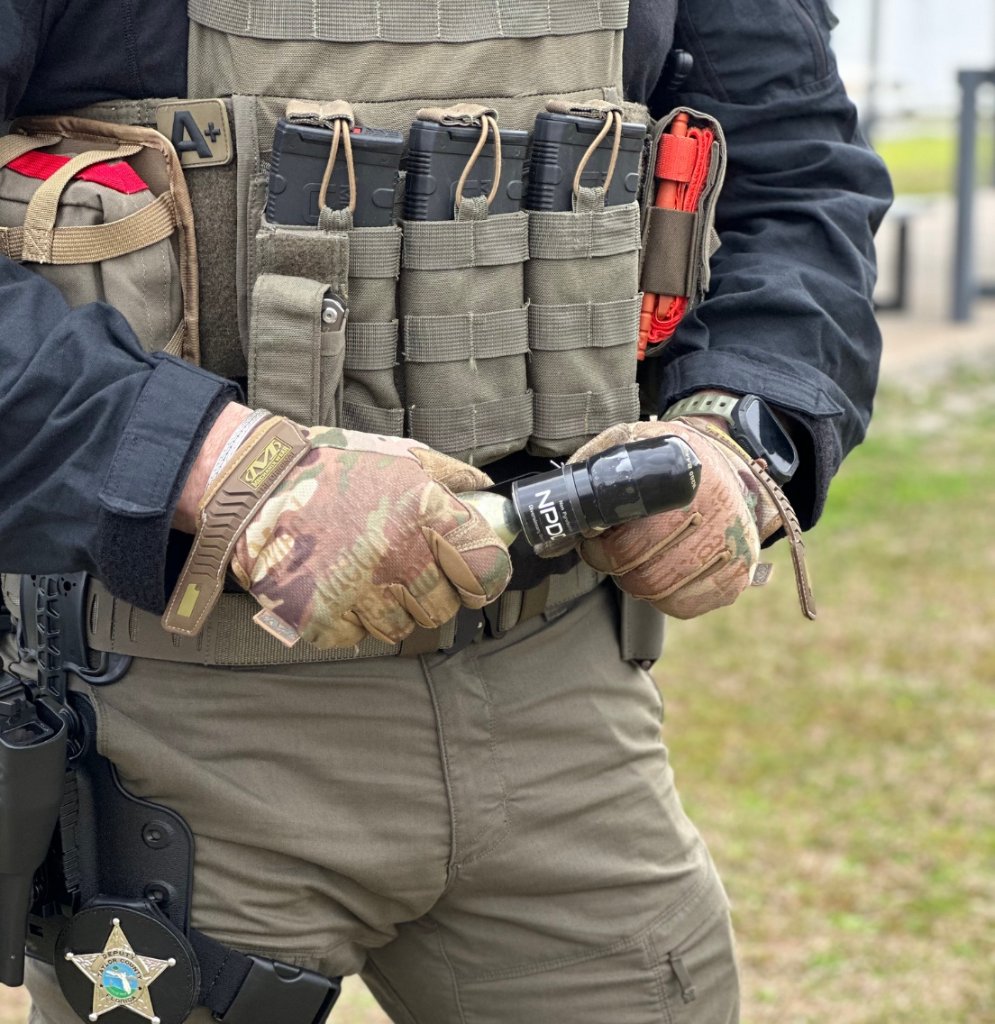
The legal framework governing the use of less-lethal force in the United States is undergoing a significant refinement. As of May 2026, several high-profile appellate cases have established new precedents that challenge traditional crowd management tactics. These rulings are forcing law enforcement agencies to reconsider the 'objective reasonableness' of deploying kinetic impact projectiles and chemical irritants into dense crowds. The emerging judicial consensus emphasizes that the transition from a peaceful assembly to a riotous one does not automatically justify the indiscriminate use of less-lethal tools against every person present.
Key Details
In a landmark decision earlier this month, a federal appeals court ruled that the use of multi-shot less-lethal launchers must be governed by the same 'individualized threat' assessment as lethal force, albeit at a lower threshold. The court specifically noted that 'area saturation'—the practice of firing multiple chemical or kinetic rounds into a crowd to encourage dispersal—may be considered an 'unreasonable seizure' if it affects individuals who are not actively posing a threat to officers or the public. Furthermore, the ruling established that unless an immediate threat of violence exists, officers must provide an audible, clear, and repeated warning, allowing a reasonable amount of time for a crowd to disperse before less-lethal munitions are deployed.
Broader Context
This judicial trend is a continuation of the legal scrutiny that began following the mass demonstrations of 2020 and 2024. Courts are increasingly skeptical of 'blanket' dispersal orders and are demanding more precision in tactical operations. This mirrors the technological shift toward rifled launchers and marking rounds, which allow for better evidence of individualized targeting. The legal system is essentially catching up with the available technology, mandating that if an agency has the capability to be precise, it must use that capability to minimize collateral harm. This is a departure from the older doctrine that prioritized the speed of dispersal over the specificity of the force used.
Implications for Law Enforcement
For agency leadership, these rulings necessitate an immediate and thorough review of use-of-force manuals and field manuals. Tactical commanders must be trained to document the specific behaviors that triggered the use of less-lethal force against specific individuals or sub-groups within a larger crowd. The role of the 'Public Address' or 'Hailing' officer has become tactically vital, as the legal validity of the subsequent force often hinges on the quality and timing of the dispersal orders. Additionally, the use of body-worn camera footage to justify the targeting of specific agitators is no longer optional; it is a primary defense against civil litigation in the post-2026 legal environment.
Conclusion
The era of using less-lethal force as a broad tool for crowd management is being replaced by a more surgical approach mandated by the courts. Command staff must pivot toward tactics that emphasize the identification and isolation of violent actors rather than the general dispersal of large groups through area-denial munitions. By aligning training and policy with these new judicial standards, agencies can protect both the constitutional rights of the public and the legal standing of their officers. Professionalism in 2026 is defined by the precision of the response, not just the effectiveness of the dispersal.