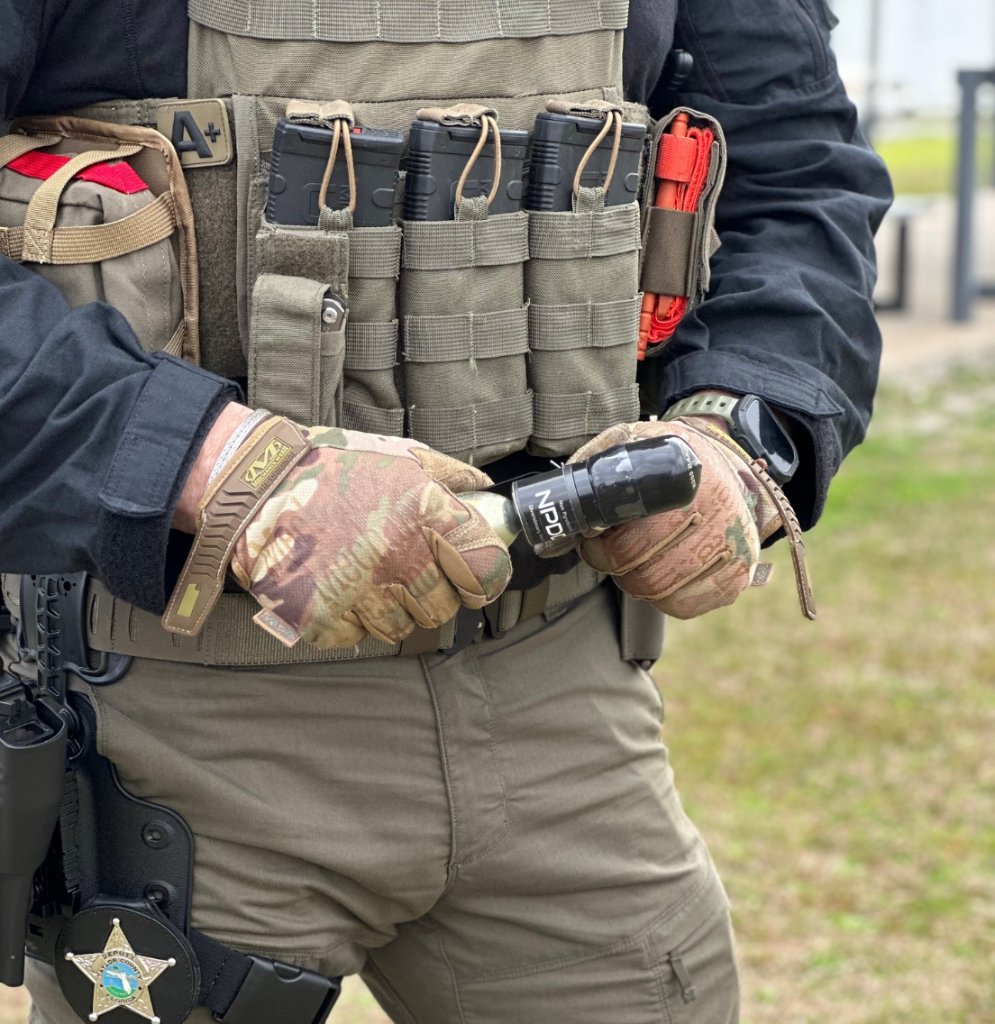
The FBI released its 2025 Law Enforcement Officers Killed and Assaulted special report on May 11, 2026. The numbers are stark. Law enforcement agencies across the United States reported 90,178 officer assaults during the 2025 calendar year, according to the report. That translates to an assault rate of 13.8 incidents per 100 officers. The FBI confirmed that figure is the highest assault rate ever recorded in the history of the LEOKA data collection program.
The LEOKA program was built to serve as a periodic nationwide assessment of felonious and accidental line-of-duty deaths and assaults. Data flows through the FBI's Uniform Crime Reporting program, which has compiled crime and officer safety data since 1930. The 2025 report sits inside that nearly century-long record — and it marks a new ceiling.
What the Report Covers
The 2025 report does more than count assaults. It includes detailed breakdowns of officer employee counts alongside the assault statistics, according to the FBI. The dataset provides specific variables: state codes, population group codes, and geographic divisions. Those variables are built in deliberately. The LEOKA dataset is designed to allow agencies to create subsets for localized safety analysis, which means a mid-size municipal department can extract data relevant to its own region rather than relying solely on national aggregates.
The report covers both felonious and accidental incidents that occur while officers are performing their duties. That dual scope matters. A felonious assault and an accidental injury while handling a scene carry different policy implications, and the report's structure keeps them distinguishable. Agencies submitting data send monthly reports to the FBI to ensure the accuracy of the UCR Master Police Employee files, according to the FBI — a process that underpins the reliability of the final figures.
The 2025 report is accessible through the FBI's official UCR services portal.
How the Data Gets Used
LEOKA data is utilized by command staff to evaluate officer safety protocols and resource allocation, according to the FBI. That use case gives the annual report weight beyond a statistical summary. When an assault rate climbs to a record high, command staff at agencies of every size have a documented federal benchmark to bring to budget conversations, training reviews, and equipment assessments.
The 2025 report is described by the FBI as a critical benchmark for evaluating the impact of current officer safety training and equipment standards. It is also part of an ongoing effort to provide transparency regarding officer safety and wellness, the FBI said. The LEOKA data collection criteria are established by the FBI in coordination with law enforcement partners, a process that keeps the program grounded in operational realities rather than purely administrative ones.
The Bureau of Justice Statistics maintains the taxonomy and historical records for LEOKA data, providing a parallel institutional layer to the FBI's annual collection effort.
The Record in Context
The 2025 findings highlight a significant trend in the frequency of violence directed at law enforcement personnel, according to the FBI. The agency did not specify in the report what drove the increase. What the data does say, plainly, is that 13.8 assaults per 100 officers is a number the program has not seen before in its recorded history.
The FBI's UCR program remains the primary federal source for tracking line-of-duty violence. Agencies submit monthly data to maintain the integrity of those records. The 2025 report is the output of that sustained, granular collection effort — 90,178 reported assaults, a record assault rate, and a dataset structured so that the agencies most affected by those numbers can dig into the specifics that matter to their own personnel.