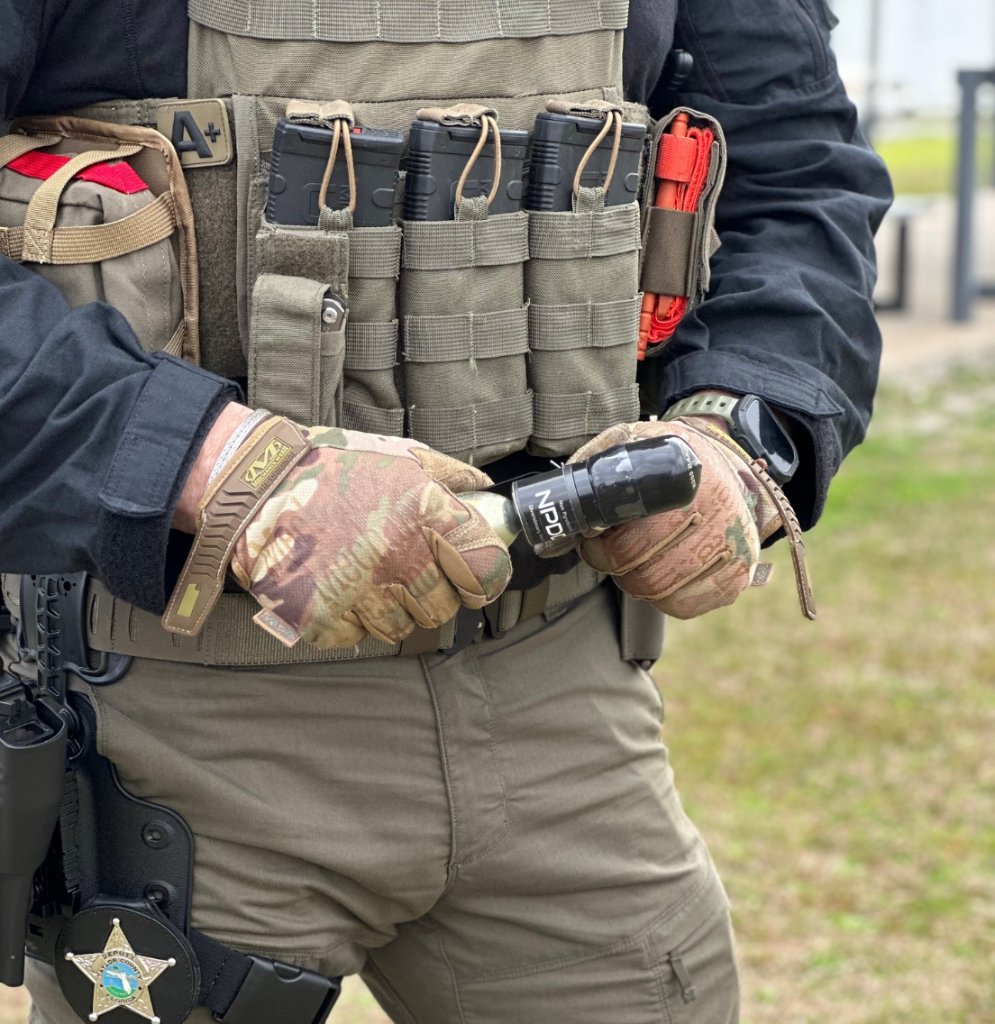
On September 4, 2026, officers from the Little Rock Police Department responded to Little Rock Central High School after a fight broke out involving five students. The fight itself drew a large crowd of onlookers, and that gathering — not the fight alone — prompted the police response that followed. Officers deployed pepper spray to disperse the assembled students and restore order on the campus grounds. Police vehicles were stationed outside the school facility on the day of the incident, according to reporting on the event.
No major injuries were reported in the immediate aftermath of the dispersal action. The Little Rock Police Department has not released further details regarding potential disciplinary actions for the students involved in the initial fight.
How the School Communicated With Parents
Principal April Rike confirmed the use of pepper spray through an official email sent directly to parents. That email served as the primary notification to the community regarding the police intervention. There was no press conference, no departmental statement released in advance of her communication. Parents learned about the chemical agent deployment from the school's own administration.
The school administration and local law enforcement continue to coordinate on safety measures for the campus environment, according to available information about the incident.
Pepper Spray as a Crowd Management Tool
The deployment of pepper spray at Central High School is consistent with established departmental policies for managing non-compliant crowds. Less-lethal chemical munitions remain a standard tool for agencies dealing with spontaneous civil disturbances. The intended purpose in this case, the department indicated, was to restore order and ensure the safety of the student body.
The incident is not isolated. A series of recent crowd management challenges has been reported across various jurisdictions nationally. When a localized altercation between students draws a large secondary crowd, the operational picture shifts fast. What begins as a disciplinary matter inside a school can become a public order situation requiring patrol-level crowd dispersal tactics within minutes.
Crowd management best practices, as outlined by organizations like the International Association of Chiefs of Police, place de-escalation as the required step before any use of force. Whether that sequence was followed at Central High on September 4 has not been addressed in any official statement from the Little Rock Police Department.
School Safety and Patrol Response
The Central High incident puts into sharp focus the operational demands placed on both school resource officers and responding patrol units when student gatherings escalate. The two roles carry different authorities, different training emphases, and different relationships with the student population. When patrol units arrive to support or replace a school resource officer during a crowd event, the transition in approach can affect outcomes.
Law enforcement agencies across the country have been paying closer attention to exactly this intersection — school safety protocols and crowd control doctrine. The two do not always sit comfortably together. Crowd dispersal tactics designed for public spaces carry different weight when deployed in an educational setting where the crowd consists entirely of minors.
The Little Rock situation on September 4 is a concrete example of how quickly that tension materializes. Five students fighting. A crowd assembles. Officers respond. Chemical agents are deployed. The sequence from a student altercation to a chemical dispersal action is short, and each step in it carries policy and community implications that departments have to be prepared to explain.
Principal Rike's email to parents was the mechanism through which the community learned what happened. The police department, as of available reporting, has not issued its own public account of the event or addressed questions about the decision-making process that led to the pepper spray deployment. That silence leaves the school administration carrying the explanatory burden for an action taken by law enforcement.
Coordination between school officials and police agencies on safety measures is ongoing, according to available information. What form that coordination takes — whether it includes joint protocols for crowd events, thresholds for chemical agent deployment on school grounds, or parent notification procedures — has not been made public.