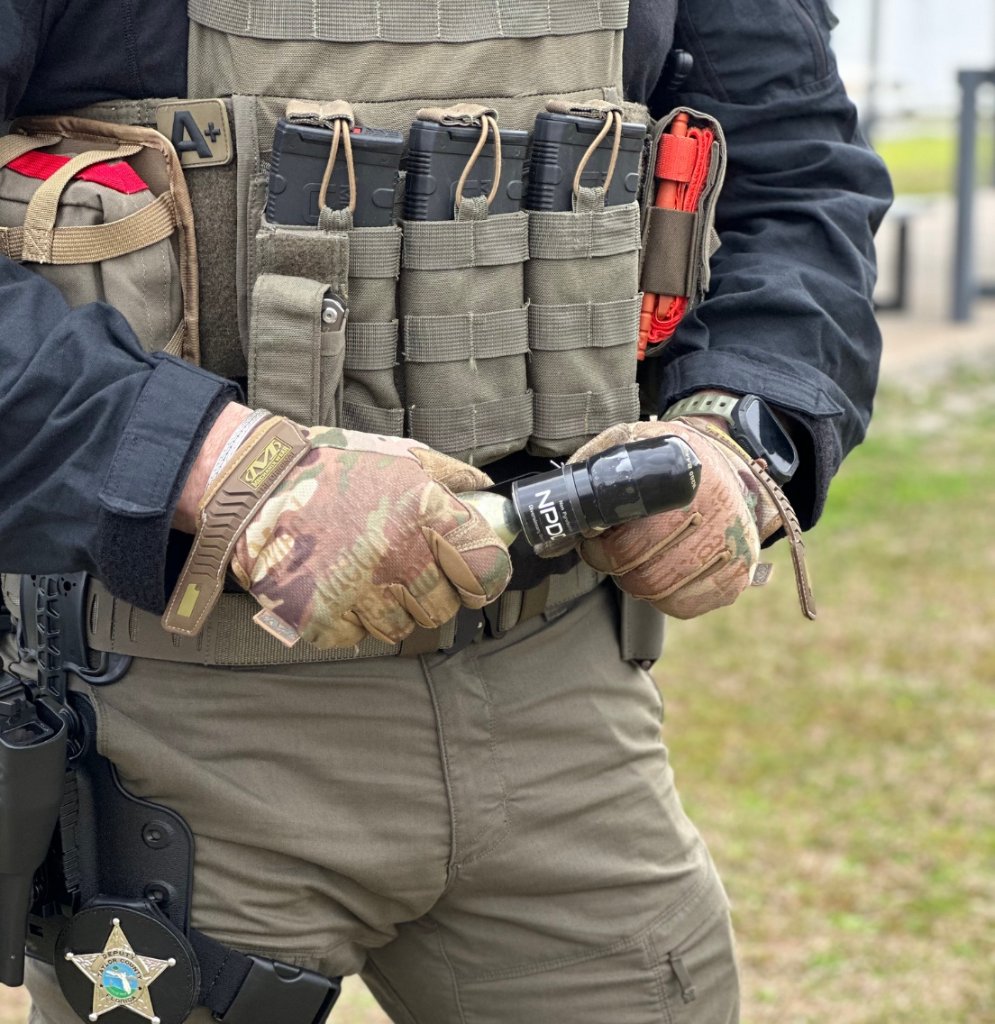
The FBI released its 2025 Special Report on Law Enforcement Officers Killed and Assaulted on May 11, 2026, and the headline number is stark. Law enforcement agencies recorded 90,178 officer assaults during the 2025 calendar year, according to the report. That volume produced an assault rate of 13.8 incidents per 100 officers — and the FBI confirmed that figure is the highest recorded officer assault rate in the entire history of the agency's data collection program.
The program has been running since 1930. Nearly a century of data now has a new ceiling.
The 2025 special report also includes updated law enforcement employee counts alongside the assault statistics, giving agencies a denominator to benchmark their own numbers against the national rate. The FBI published the report to provide transparency on current officer safety trends, the agency said.
How the LEOKA Program Works
The Law Enforcement Officers Killed and Assaulted program — known as LEOKA — is a component of the broader Uniform Crime Reporting Program managed by the FBI. The UCR Program has compiled data on officer safety since 1930, relying on monthly data submissions from agencies to track felonious or accidental killings and assaults on officers.
Participation is voluntary. Approximately 18,233 U.S. law enforcement agencies submit data to the UCR Program, according to the FBI. That voluntary structure is both the program's reach and its limitation — the national figures reflect only what participating agencies report each month.
The LEOKA dataset itself includes variables such as state code, population group, and geographic division, allowing for agency-level analysis rather than just national aggregates. The program also provides statistical support, research studies, and instructional services aimed at officer safety awareness, the FBI said. It functions as the primary national repository for line-of-duty assault and fatality metrics.
The FBI's data collection process pulls felonious and accidental line-of-duty deaths into the same system that tracks assaults, giving the LEOKA publication a comprehensive view of officer risk across both categories.
What Idaho's Data Adds
The Idaho State Police NIBRS portal provides localized context to the national trends reported by the FBI. Idaho's Crime in 2024 report documents specific challenges facing state and local officers regarding physical safety, noting that officer safety data collection is critical for measuring the operational challenges facing first responders.
The Idaho data for 2024 highlights that aggravated assaults against officers often involve the use of weapons or result in serious injury. That detail matters when reading the national numbers. Raw assault counts do not distinguish between minor physical confrontations and attacks that put officers in the hospital. The Idaho report surfaces that distinction at the state level, where the consequences land on individual agencies and individual officers.
The Idaho State Police publishes its data through the NIBRS portal, which sits alongside the FBI's national figures and gives departments in that state a way to compare their local experience against both state and federal benchmarks.
What the Record Rate Means for Agencies
A rate of 13.8 assaults per 100 officers means that for every 100 sworn personnel an agency employs, nearly 14 reported being assaulted during 2025. At an agency of 200 officers, that translates statistically to roughly 28 assault incidents over the course of a single year.
The FBI has not attributed causes for the record rate in the verified findings of this report. What the data establishes is the trajectory. The LEOKA program's 95-year dataset now shows its worst rate on record sitting at 2025.
Agencies that submit monthly data to the UCR Program contribute directly to this national picture. Those that do not participate leave a gap in the aggregate. The FBI's reliance on voluntary participation means the 90,178 figure, already a record, may not capture the full scope of assaults that occurred across all U.S. jurisdictions during the year.
The LEOKA program's instructional services component exists in part to convert this data into officer safety training applications. Research studies produced under the program are designed to help agencies understand the circumstances of assaults and deaths, not simply count them. Whether the record 2025 figures accelerate that research and training work remains to be seen as agencies absorb the report released this past May.